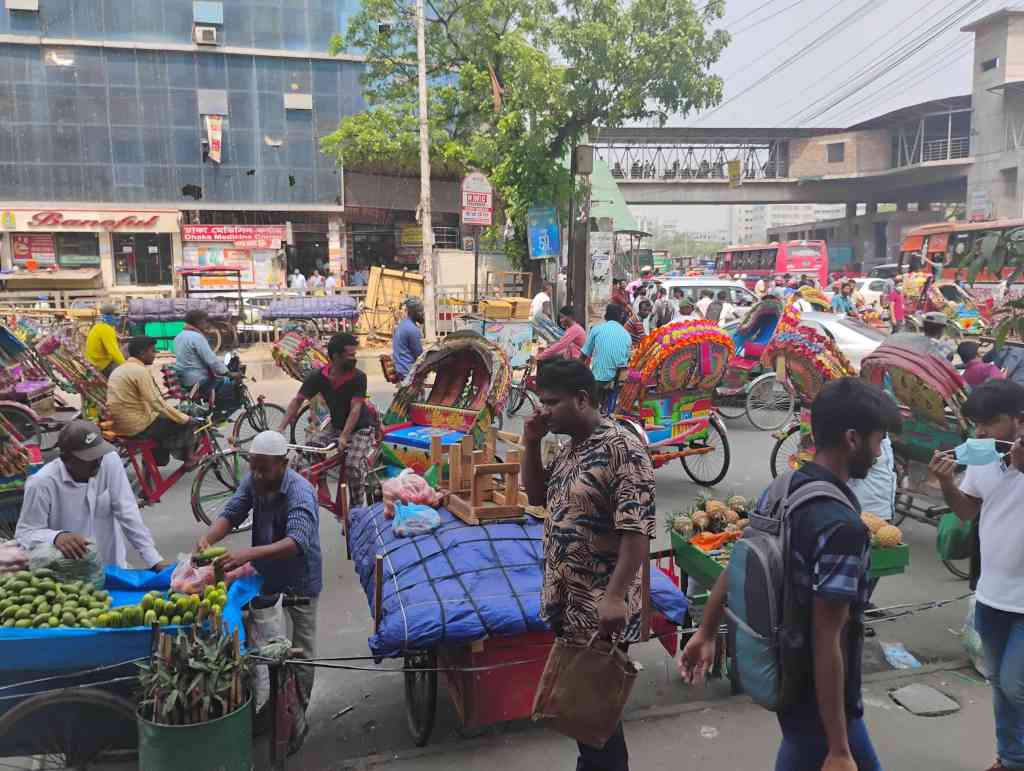
Welcome to Bangladesh — the country you didn’t think of before you left on this journey. It’s chaotic and beautiful.
Getting to Bangladesh
Bangladesh is accessible by air, land, and sea. The main entry point is Hazrat Shahjalal International Airport in Dhaka, serving international and domestic flights. Land crossings are available from India and Myanmar, while limited sea routes connect the country to neighboring regions.
Ensure you have:
- Proper travel documentation
- Photocopies of your accommodation details
- Proof of onward travel (land exit claims are not accepted, even if true)

Best Time to Visit
The ideal time to visit Bangladesh is during the winter months, from November to February, when the weather is cooler and drier. The monsoon season (June to October) brings heavy rainfall, making travel challenging in some regions.
Destinations in Bangladesh
- Dhaka – Loud and crowded, stay because traffic won’t let you leave.
- Sundarbans – There are tigers and you probably won’t see one.
- Cox’s Bazar – The world’s longest beach.
- Sylhet – Tea.
- Chittagong Hill Tracts – Pretty hills
Cost & Budgeting
During a two-week budget trip, expect to spend between $250–$300 (approximately 31,000 Taka). ATMs are widely available, but Bangladesh lacks a strong tourist infrastructure, with hostels being scarce. The main cost is private hotel rooms. Below is a rough outline of daily expenses:
At the time of writing: $1 = 121 Taka
- Lodging:
- Budget: 1,000 Taka per night
- Mid-range: 1,800–4,500 Taka per night
- High-end: 4,500+ Taka per night
- Food: 100–500 Taka per meal, depending on quality and location
- Transportation:
- Metro: Maximum 100 Taka per trip
- Uber: 90–500 Taka per ride
- CNG (tuk-tuk): 20–300 Taka
- Intercity train: Free–1,500 Taka (varies by distance and class; train surfing is an option for the daring)
- Clothing:
- Shirts: 100–300 Taka
- Pants: 100–300 Taka
Transportation
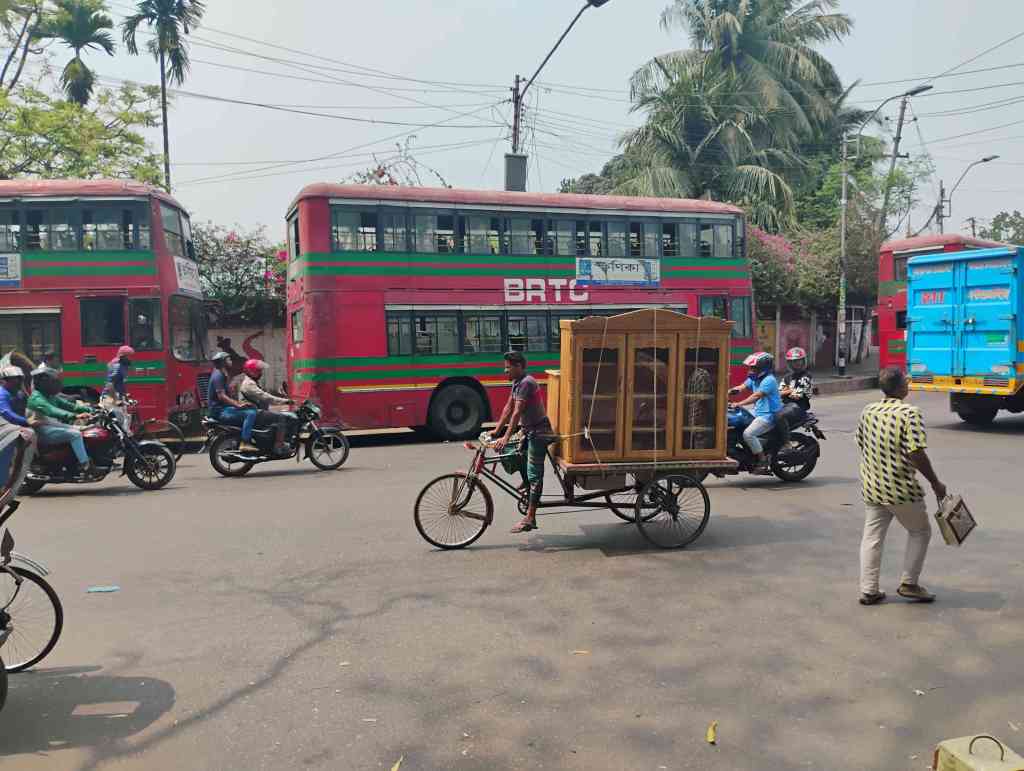
Bangladesh has a variety of transport options. Ride-sharing apps like Uber only work in Dhaka; elsewhere, bargaining skills are essential. Common modes include motorbikes, CNGs (tuk-tuks), and old-style pedal rickshaws—many of which now have electric or gas-powered engines.
For intercity travel, trains are highly recommended—they are generally in good condition, punctual, and comfortable depending on the class. Buses, however, are often run-down and delayed due to traffic or ferry transfers.
Safety
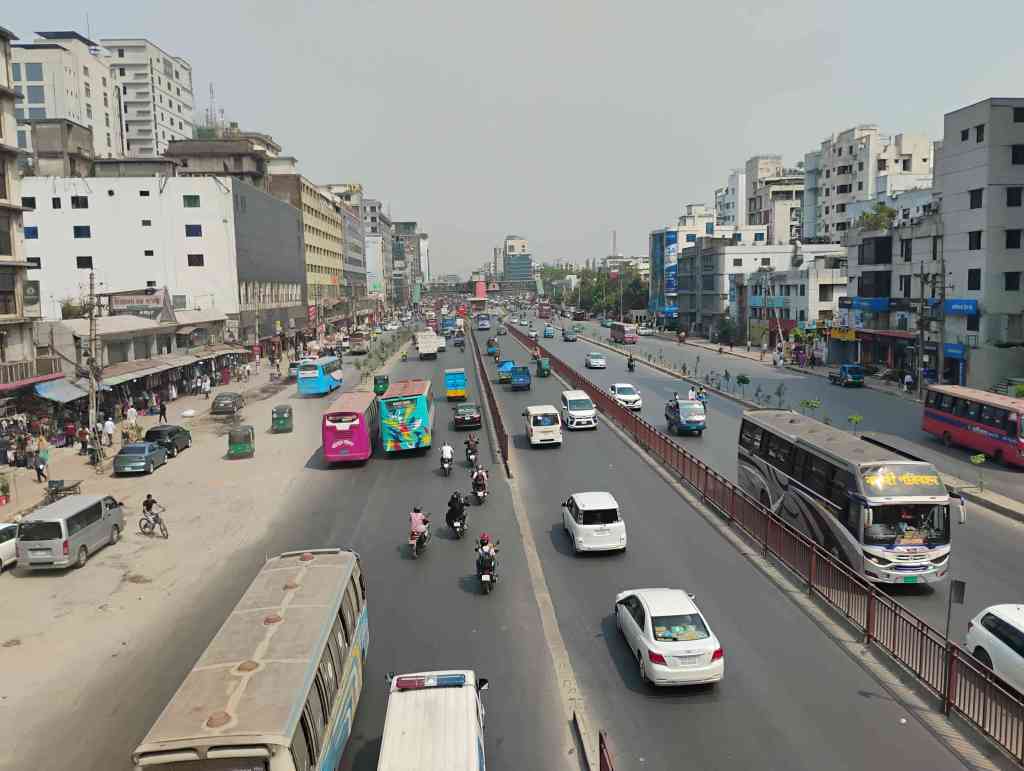
Bangladesh is generally safe, and locals are friendly and curious about travelers. While English is not widely spoken, people are willing to help. Some key safety tips include:
- Walking around is safe, but be mindful of your surroundings.
- Public and private transport are both viable options.
- While there are many beggars, they are generally non-aggressive.
- Dressing conservatively helps you blend in better.
- As a foreigner, you may attract attention; answering common questions strategically (e.g., about traveling alone or marital status) can help avoid further inquiries.
- During Ramadan, the streets remain lively late into the night, adding an extra layer of safety.
Language & Communication
- The official language is Bengali, and English is not widely spoken.
- Numbers are written in a different script, so learning a few basic phrases is helpful.
- Google Translate can be a useful tool for communication.
General Advice
- March is hot but dry, making it a manageable time to visit.
- Bangladesh is an adventurous destination, not ideal for those seeking a relaxing vacation. It is best suited for travelers interested in culture and local experiences.
- Over 90% of the population is Muslim, and the country follows conservative dress norms.
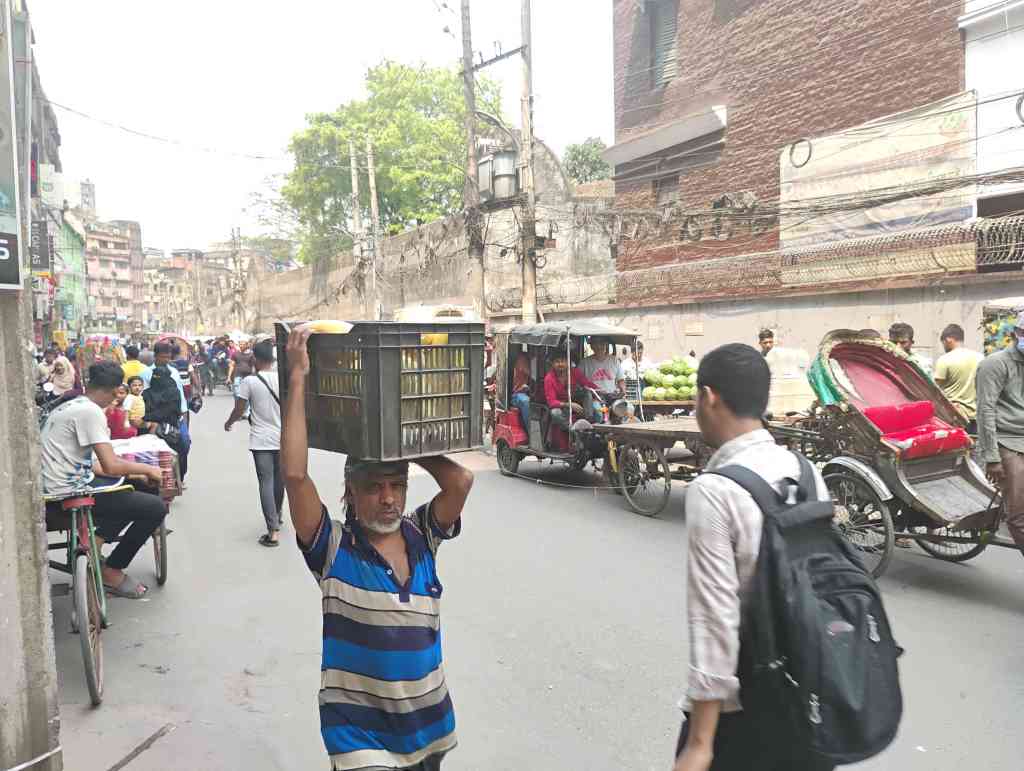
- The environment can be dusty, polluted, and overwhelming, but it is also rich in culture and human connection.
- Travel during Ramadan may affect your experience, as many places are closed during the day and food options become available only after dark.
- A visit of 2–3 weeks is recommended to experience the diverse aspects of the country.
Conclusion
Bangladesh isn’t for everyone. It’s loud, humid, and will test your patience before breakfast. The traffic moves slower than the rivers, the power might fail when you need Wi-Fi, and nature occasionally comes with teeth. But if you can look past that you’ll find comfort behind chaos, sunsets that make you forget , and strangers who treat you like family for no reason at all. Come with curiosity, a flexible schedule, and the ability to laugh when plans go wrong.
“Oh, the places you’ll go!” — Dr. Seuss
 Guitar Burrito