Cambodia is a country of striking contrasts — from sparkling island paradises to dense jungles, from ancient temples to bustling cities. Its rich Khmer history is both inspiring and sobering; in the mid-1970s, around 25% of the population was tragically lost under the Khmer Rouge regime. While the scars remain, Cambodia has come a long way in its recovery, and today it offers visitors a magical glimpse into resilience, culture, and natural beauty.
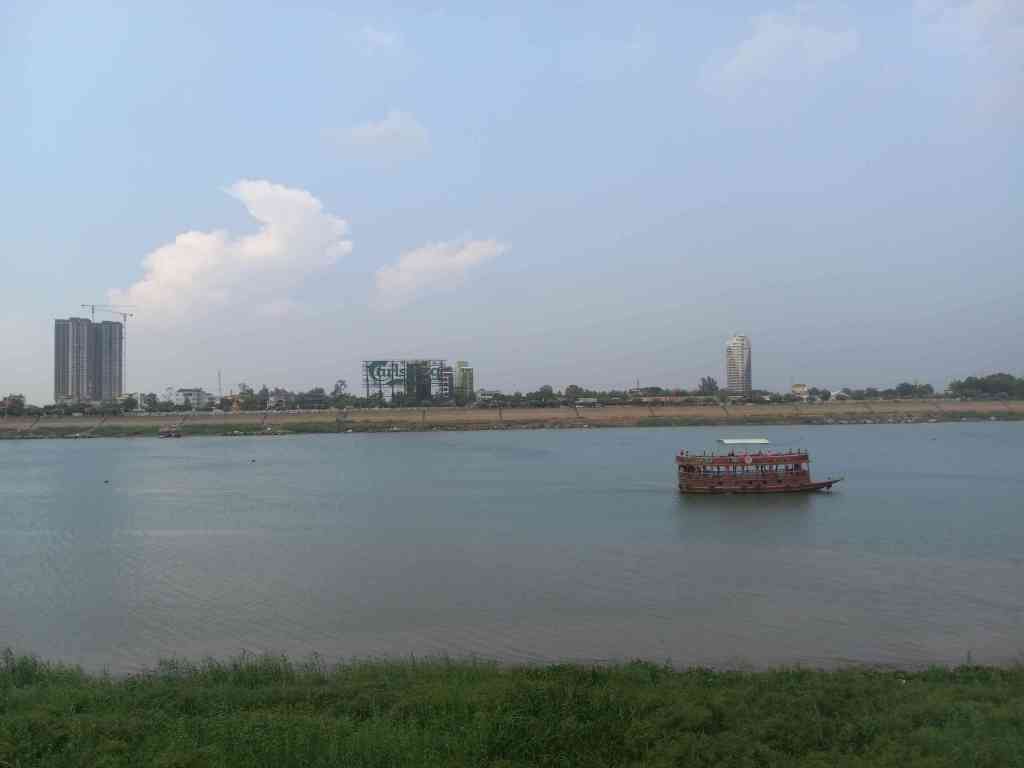
Often compared to what Thailand or Vietnam might have felt like 30 years ago, Cambodia still has fewer crowds and less tourist infrastructure. If you’re someone who enjoys traveling a little off the beaten path, this country is well worth exploring.
How to Get There
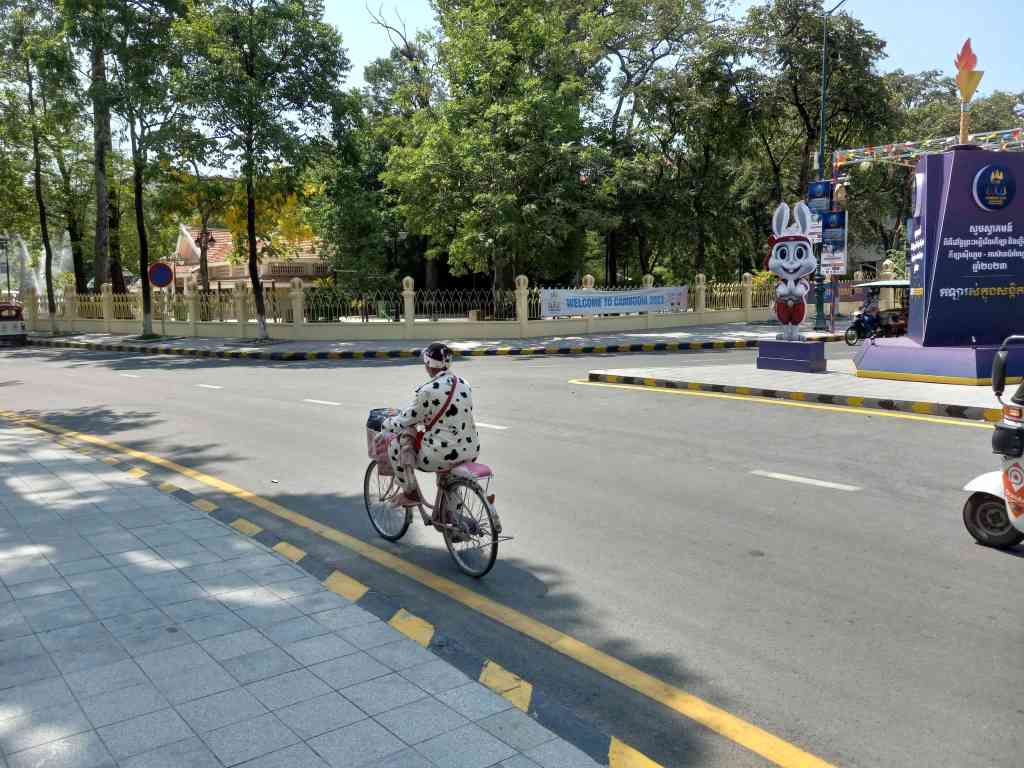
Most travelers enter Cambodia by land while exploring Southeast Asia. Border crossings from Vietnam, Laos, or Thailand are straightforward, with plenty of bus services available from Bangkok or Ho Chi Minh City. Boats are also an option from Laos or Vietnam.
You can arrange your visa in advance online for $30, or pay at the border (though bus companies often add a $10 “convenience” fee if they handle it for you). For those short on time, flying directly into Phnom Penh or Siem Reap is the fastest option.
How Long Should You Stay?
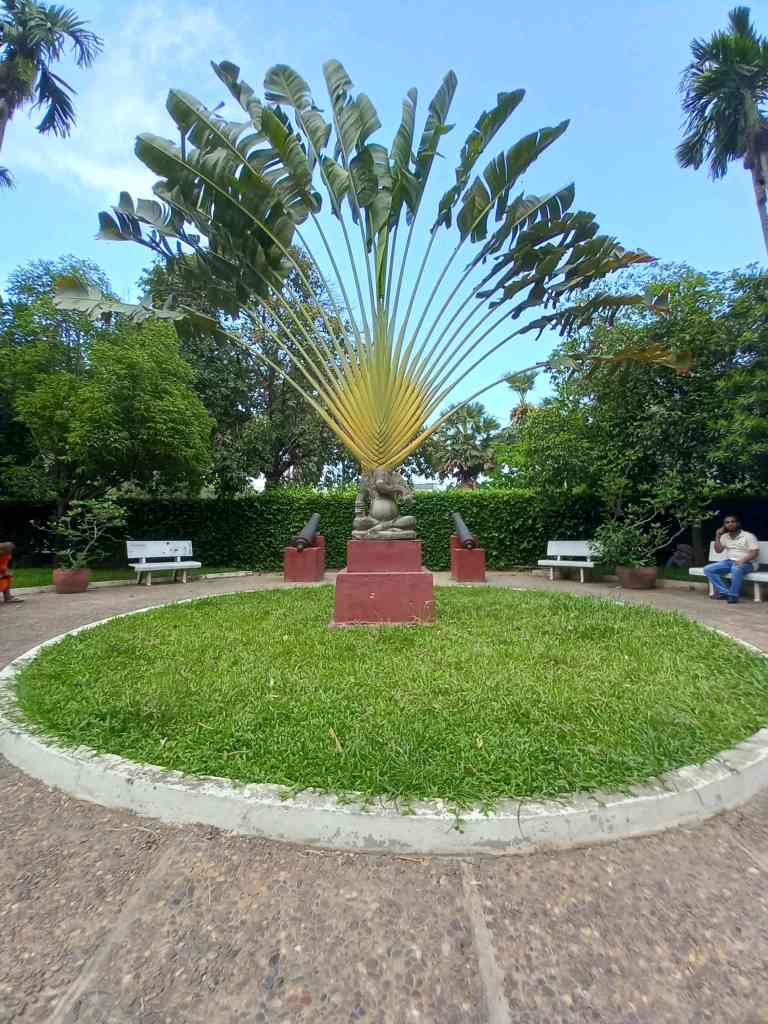
Many travelers breeze through Cambodia in a week, stopping only at Angkor Wat and Phnom Penh. But if you can, stretch your time. A month is ideal. With a 30-day visa, you’ll have time to go beyond the main tourist trail and discover hidden gems scattered across the countryside and coast.
Budget & Costs
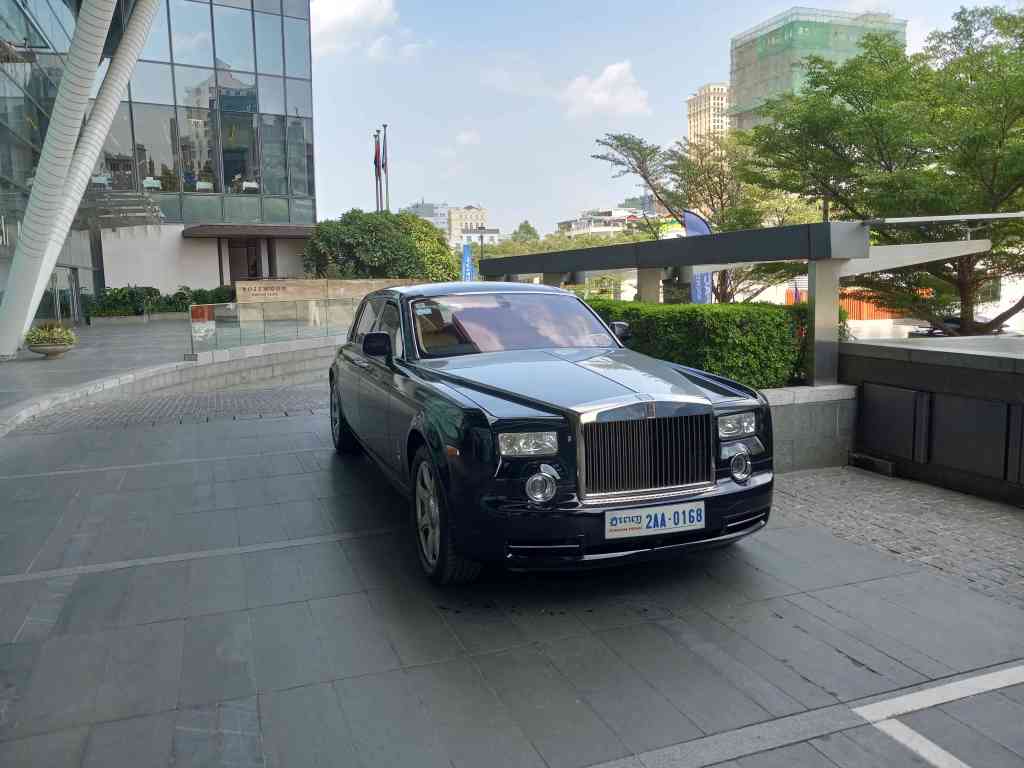
Cambodia uses both U.S. Dollars and Cambodian Riel interchangeably. Typically, small purchases are cheaper in Riel, while larger ones are quoted in USD. ATMs usually dispense dollars, but exchanging to Riel may give you better day-to-day value.
Average Costs:
- Hostel bed: $6–10 USD
- Local meal: $3–5 USD
- Motorbike rental: $5–10 USD
- Beer: $0.50 USD
A backpacker can easily get by on about $25 per day without sacrificing comfort.
Where to Stay
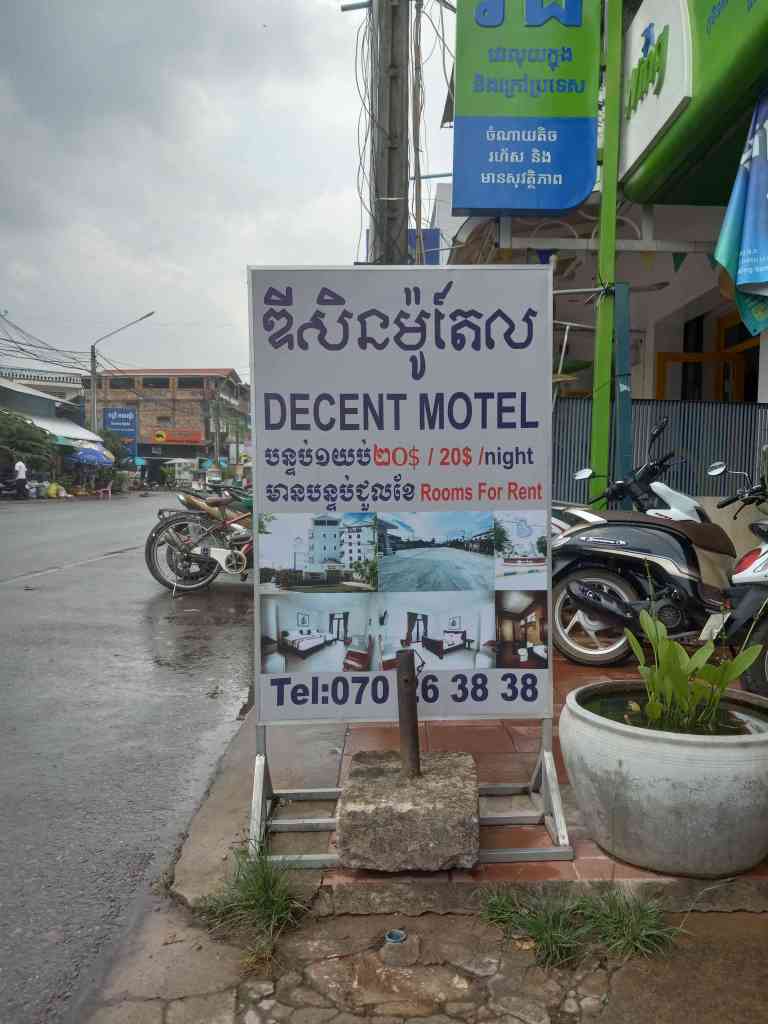
Budget-friendly hostels are plentiful, including some chains that operate across multiple cities. Options range from quiet, cozy guesthouses to lively party hostels, so do a little research to match your style.
Where to Go
- Phnom Penh: Chaotic capital, equal parts culture and questionable nightlife.
- Siem Reap: Angkor Wat.
- Kampot: Chill riverside town, good for pepper and island-hopping.
- Koh Rong(s): Actual island paradise.
- Battambang: Historic, artistic, tranquil.
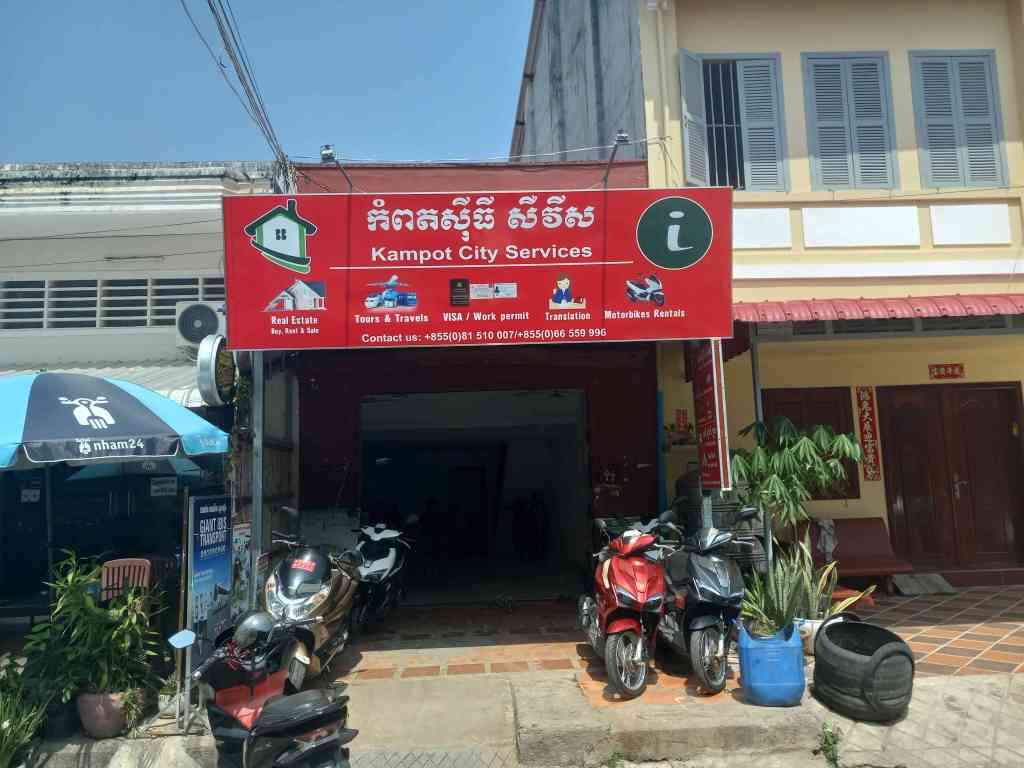
Rent a motorbike if you like freedom and the opportunity to explore more remote areas. If not use micro bus to travel. The place you are staying will likely be able to provide scheduling information.
Safety
Cambodia is generally a welcoming and safe destination for travelers. Petty crime such as bag-snatching and pick pocketing can occur, especially in busy markets or tourist hubs, so keeping valuables secure is wise. Road safety is another consideration. Violent crime against tourists is rare, and most visits are trouble-free. Unexploded ordnance can still be found in remote rural areas, particularly near old conflict zones and along the Thai border. This is rarely a concern for regular tourists, as major towns, cities, and popular attractions are safe. Still, it’s best to stick to well-trodden paths and avoid wandering off established trails when exploring the countryside.
Food & Drink
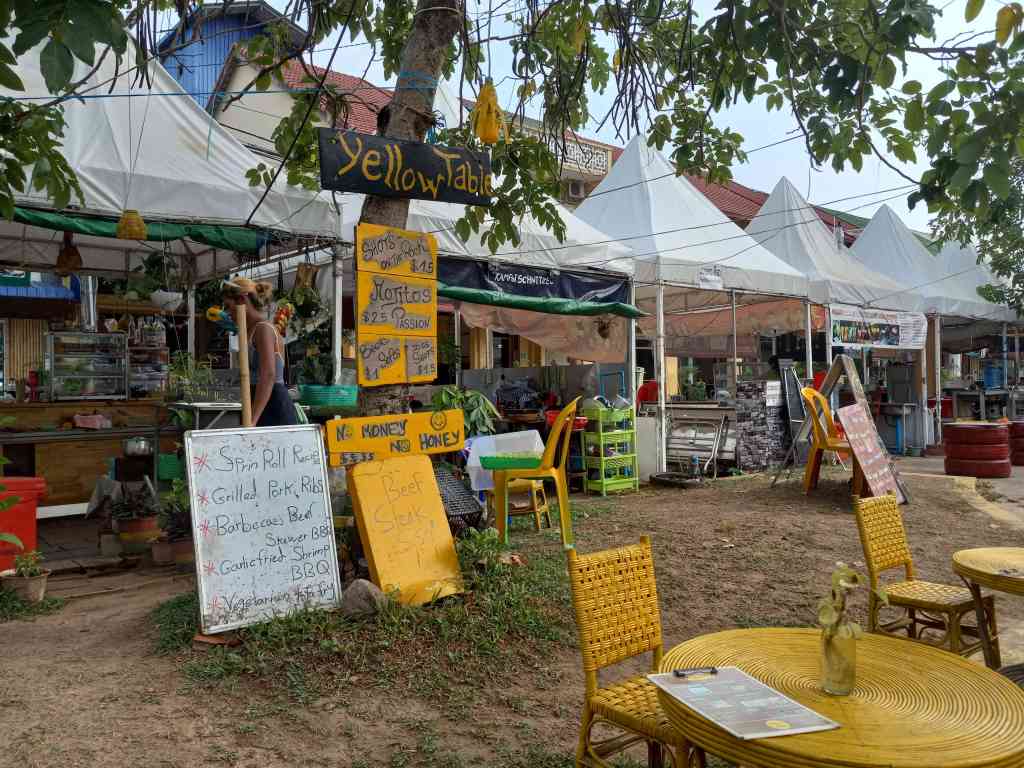
Cambodian food = Thailand and Vietnam had a kid.
- Amok (Coconut curry)
- Chive cakes (Do not skip)
- River fish (Delicious).
- Durian (Controversial)
- Beer (Very Cheap)
Final Word
Cambodia isn’t polished, which is exactly the charm. Come for the temples, stay for the chaos, and leave with stories.
“He who would travel happily must travel light.” — Antoine de Saint-Exupéry
 Guitar Burrito