Dhaka is not a city. It’s a place that swallows you whole and spits you back out. I’d heard about the traffic, the density, the chaos—and all of it turned out to be true. But the most important aspect that nobody mentions, its amazing extremely hospitable people.
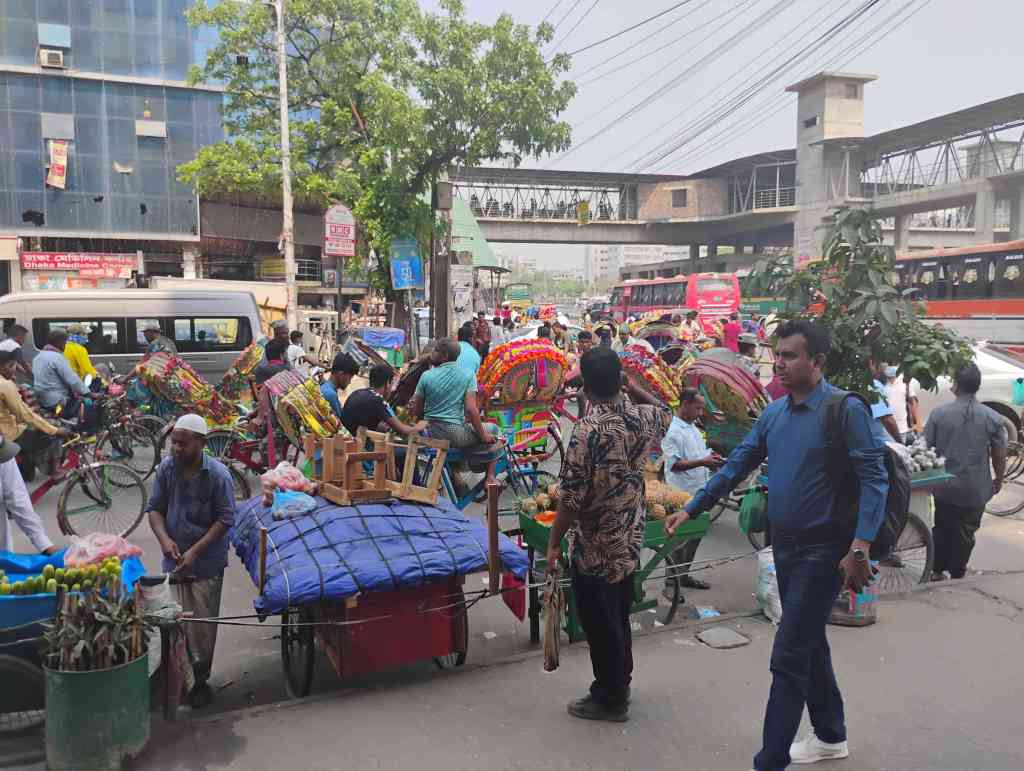
From the moment I stepped out of the airport, Dhaka shared its embrace. Cars, rickshaws, and buses. Horns that never stopped blaring. Stray scrapes on vehicles common as tea. Moving across the city was a test of patience: hours stuck in traffic, crawling along at a pace that made walking seem tempting. The metro, still brand new and limited to one line felt like a symbol of progress and a source of pride for the locals. Waiting 30 minutes just to buy a ticket felt like part of the experience.
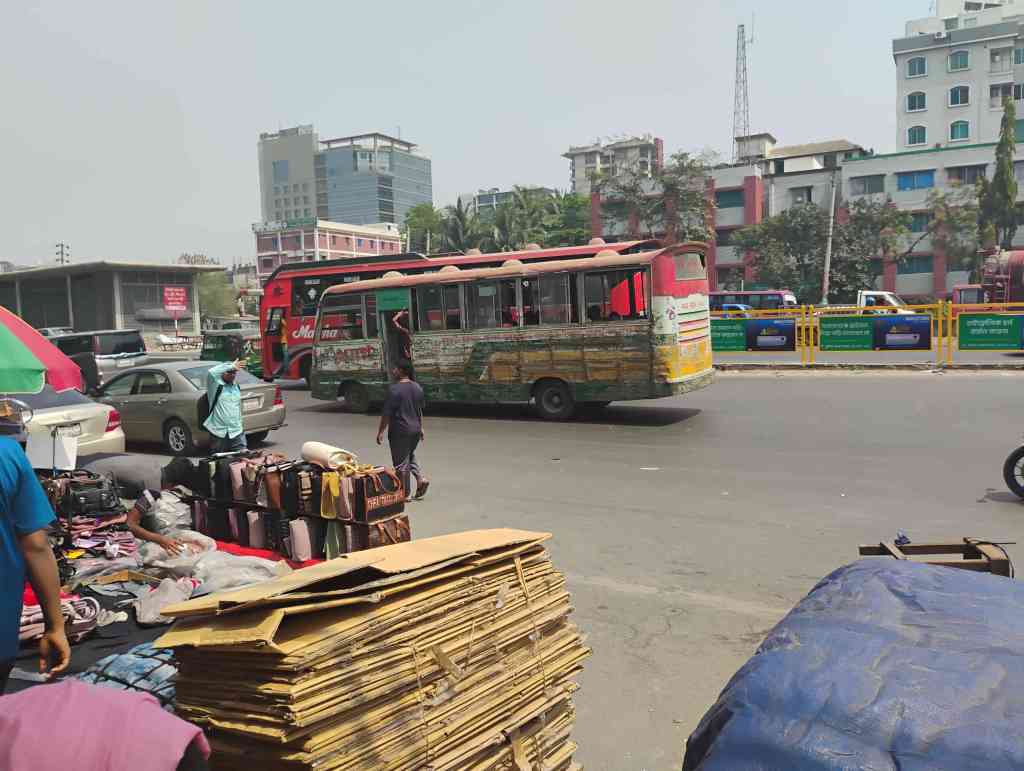
I happened to arrive during Ramadan. Shops closed during the day, and the streets quieted at midday only to explode with life at night. One of my first and most memorable moments came outside the airport, when I was invited to join strangers breaking their fast. Sitting on the sidewalk with plates of food, I shared my first Iftar meal in Dhaka with people I’d just met. That simple act of hospitality would repeat itself countless times during my stay.
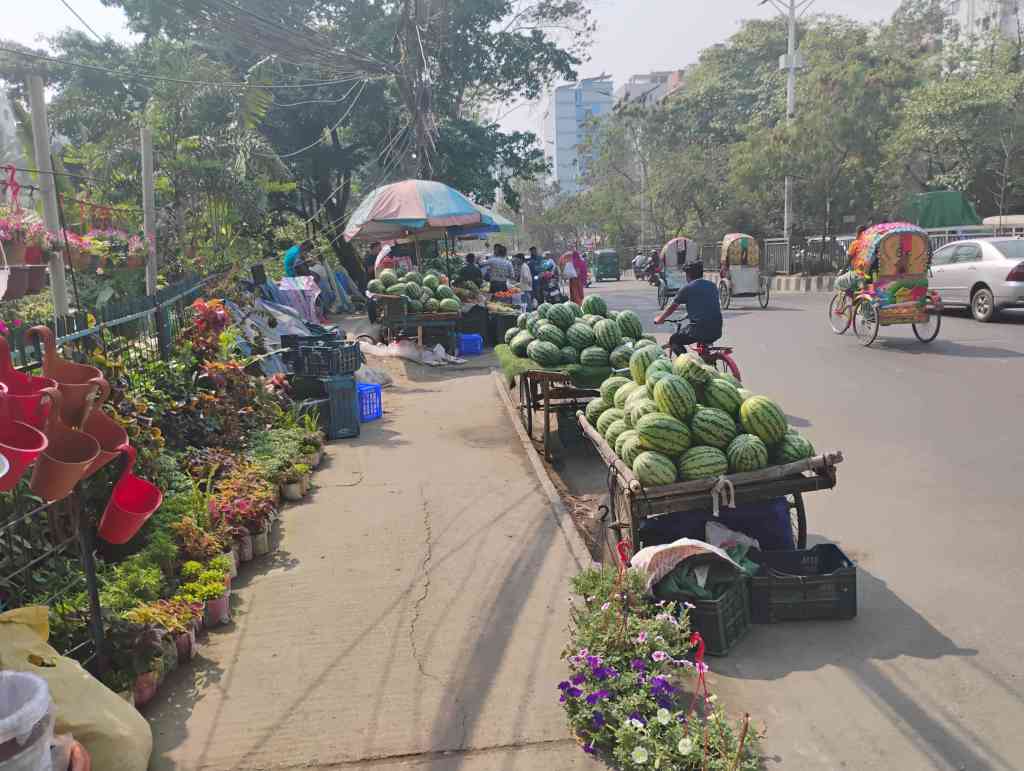
For five days I wandered from district to district, just observing daily life. Dhaka is not a city built for tourists, and that’s why it’s so fascinating. Exploring the old quarter felt like time travel—narrow alleyways buzzing with vendors, children darting between rickshaws, centuries-old mosques and temples tucked into the chaos.
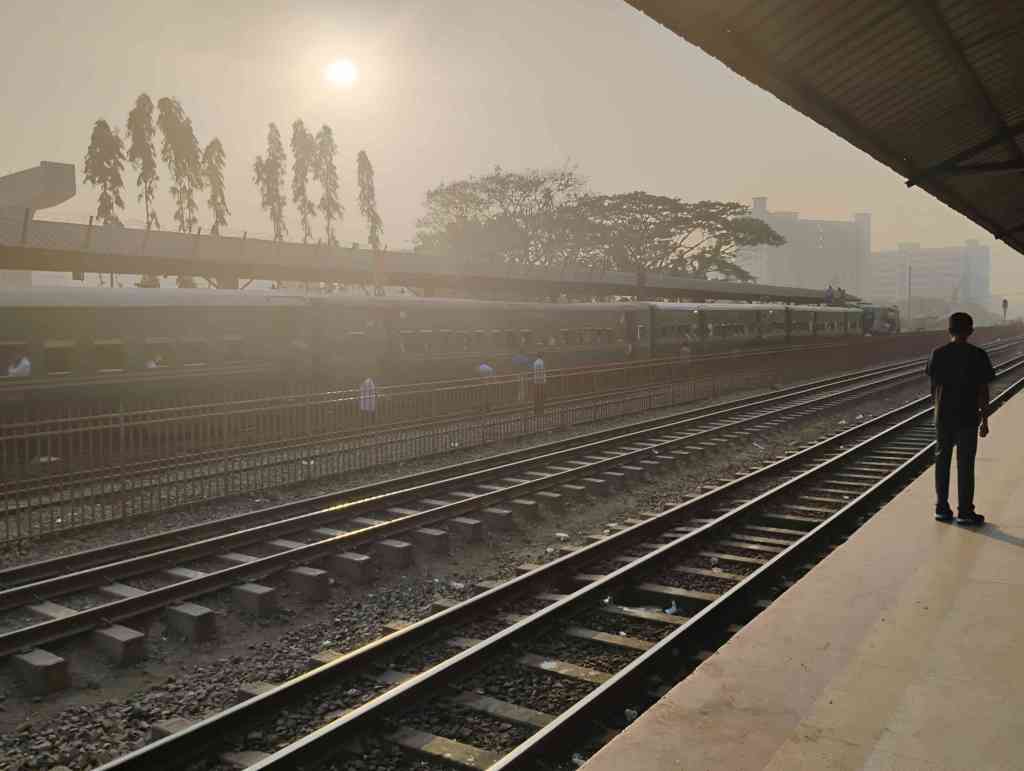
Finding a place to stay wasn’t too complicated and range in quality and price. Hostels are not very common. Unmarried couples, may be asked to prove their relationship with marriage documents before being allowed to share a room. I based myself in Uttara, a neighborhood that felt a little less overwhelming than the heart of the city.
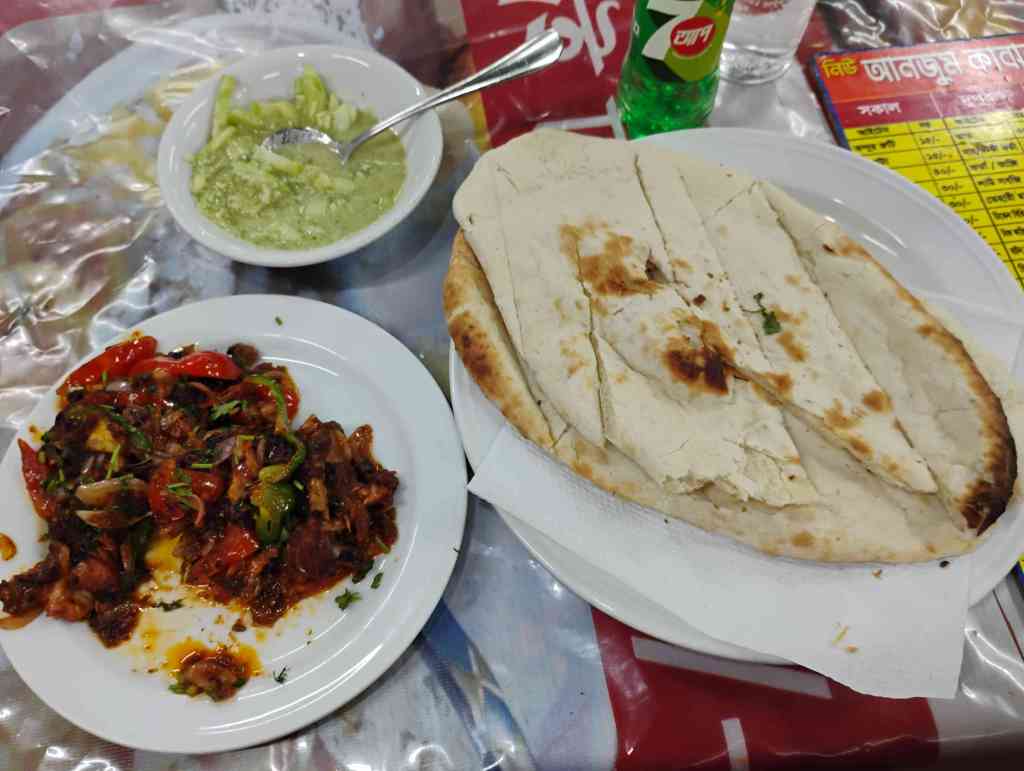
Before visiting Bangladesh, I’ll admit I didn’t know much about its cuisine. Unlike Indian or Thai food, Bangladeshi dishes aren’t as widely known on the global stage. One thing that struck me early on is that food in Bangladesh isn’t just about eating, it’s about connection. People eat with their hands and strangers won’t hesitate to offer you a plate. Hospitality here is woven into every bite.
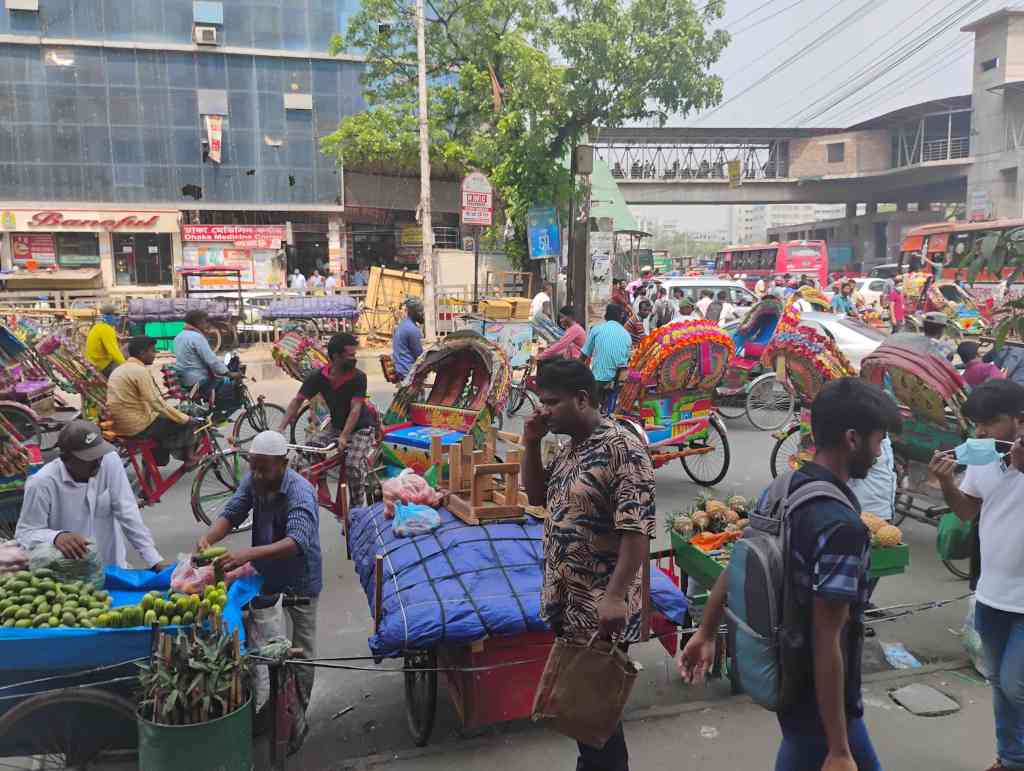
What struck me most wasn’t just the food or the sights it was the people. Bangladeshis are some of the most hospitable people I’ve ever met. Strangers constantly invited me to share meals, asked about my travels, or just wanted to practice a little English. In a city that can feel overwhelming, those moments of kindness grounded me.
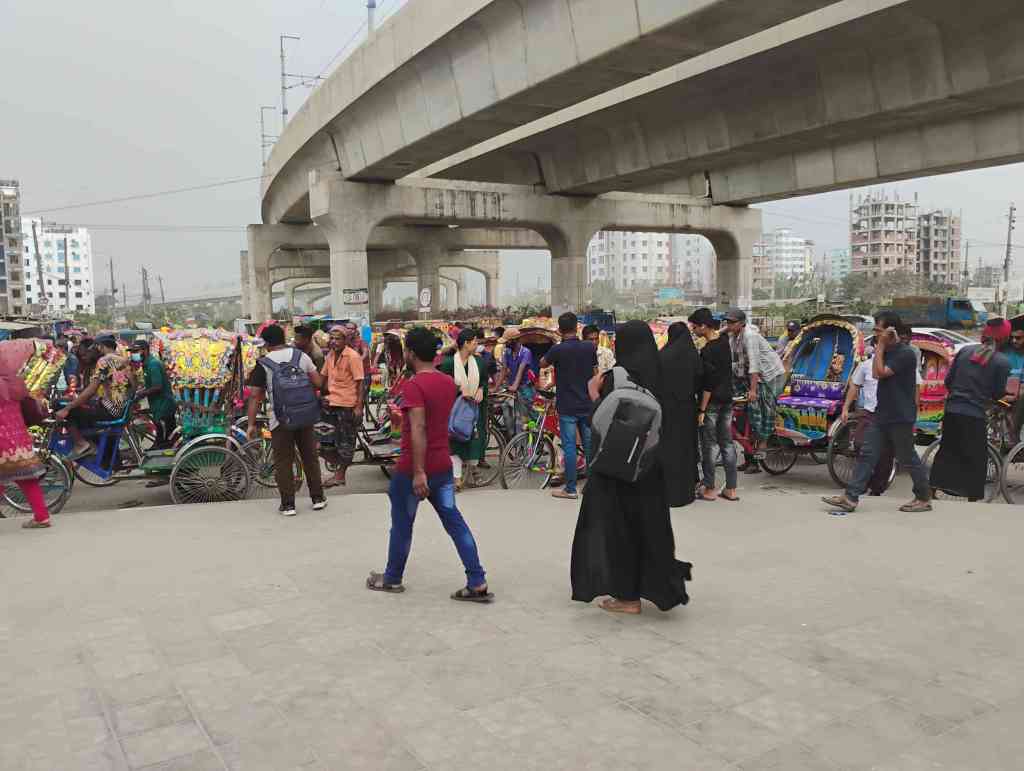
Of course, Dhaka is not without its challenges. It’s certainly not for the unseasoned traveler. Danger lurks in the form of traffic and infrastructure that often feels like it’s on the brink of collapse. Dressing conservatively helped me blend in, though nothing can erase the fact that as a foreigner, you’ll always stand out here. If you let yourself get lost, share a meal with strangers, and open your eyes to daily life—you’ll find an experience unlike anywhere else.
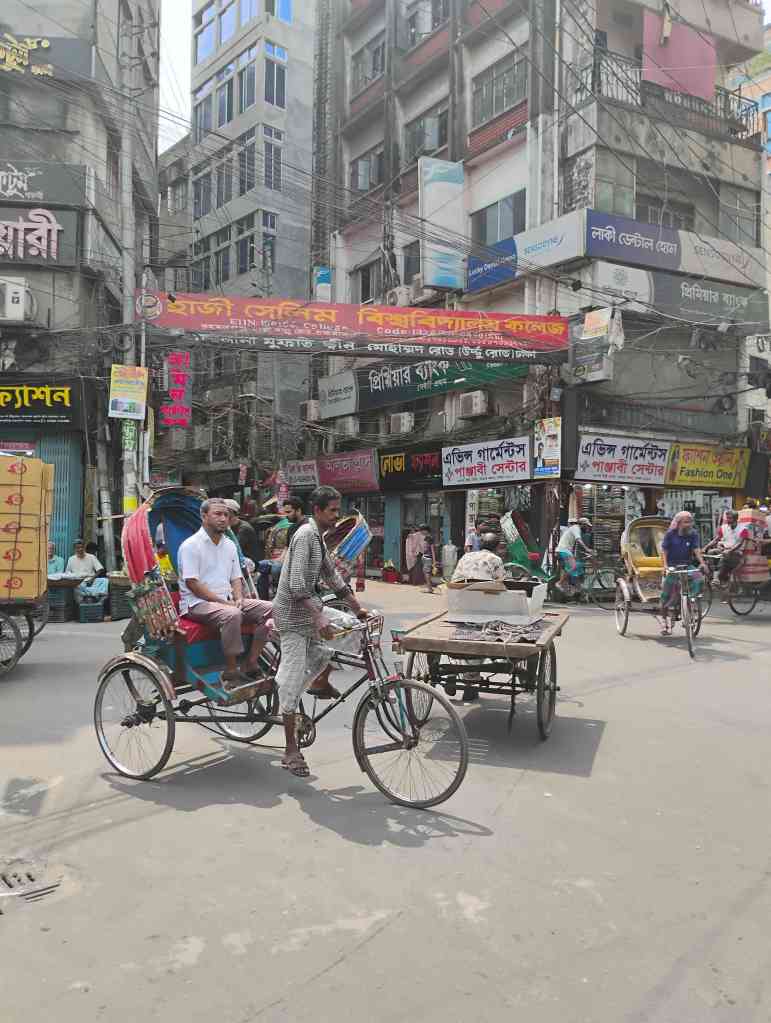
In the end, I left the city both exhausted and exhilarated. Dhaka isn’t a place you stay forever. It’s a place to experience and eventually move on from but with memories that cling to you long after you’ve gone.
“The world is a book, and those who do not travel read only one page.” — Saint Augustine
 Guitar Burrito