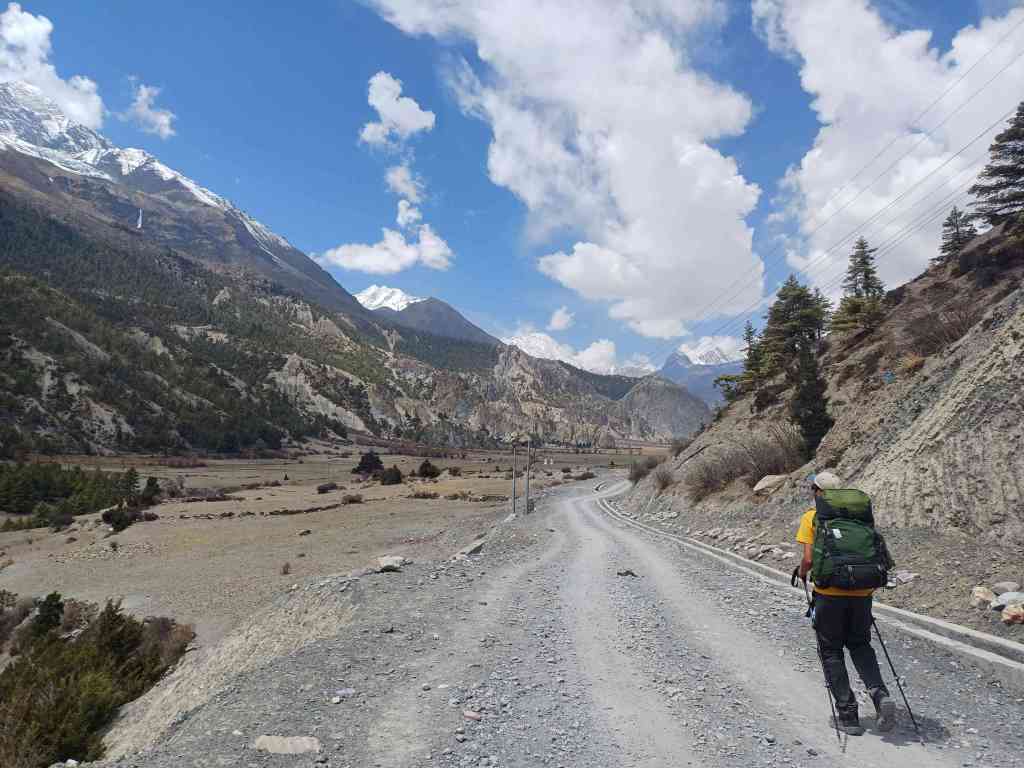
Packing for a long backpacking trip is an art. A delicate, often misunderstood art. Somewhere between “I’m living in the woods” and “I might attend a Parisian gala” lies the average traveler’s backpack — a poorly zipped monument to confusion.
Let’s begin with an important truth: You will not pack perfectly. You will forget things. You will bring things you don’t need. You will, curse your past self for prioritizing a solar-powered toothbrush over a second pair of socks.
But with that said, here’s a sensible — if underwhelming — approach.
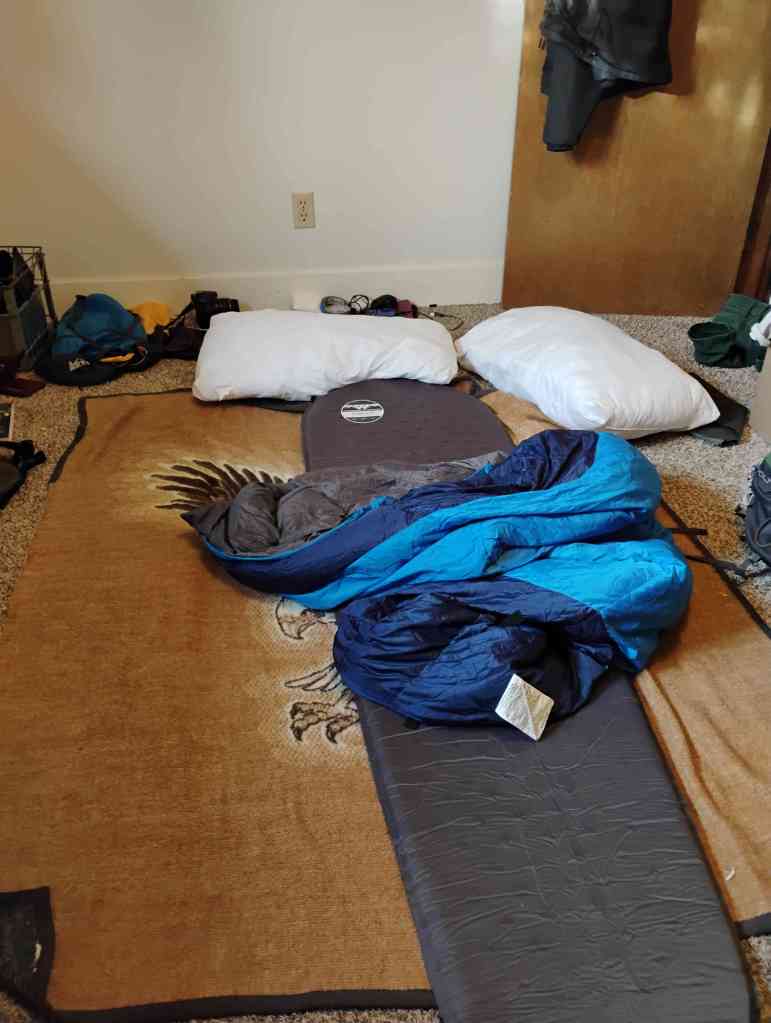
Accept Reality
Some travelers pack like they expect to be dropped in the middle of nowhere with nothing but their wits and an ATM card. Others bring 14 pairs of underwear, as if they are planning to soil themselves twice a day and never encounter a washing machine.
The truth is: you can buy things abroad. Shocking, but yes — there are stores.
General Packing Guidelines
- Pack light. You’ll thank yourself when sprinting for a bus.
- If you’re sure you won’t find it abroad, bring it.
- Only pack for your first destination.
- Don’t bring anything that will ruin your trip if it gets lost. It probably will.
- A carry-on bag saves you money.
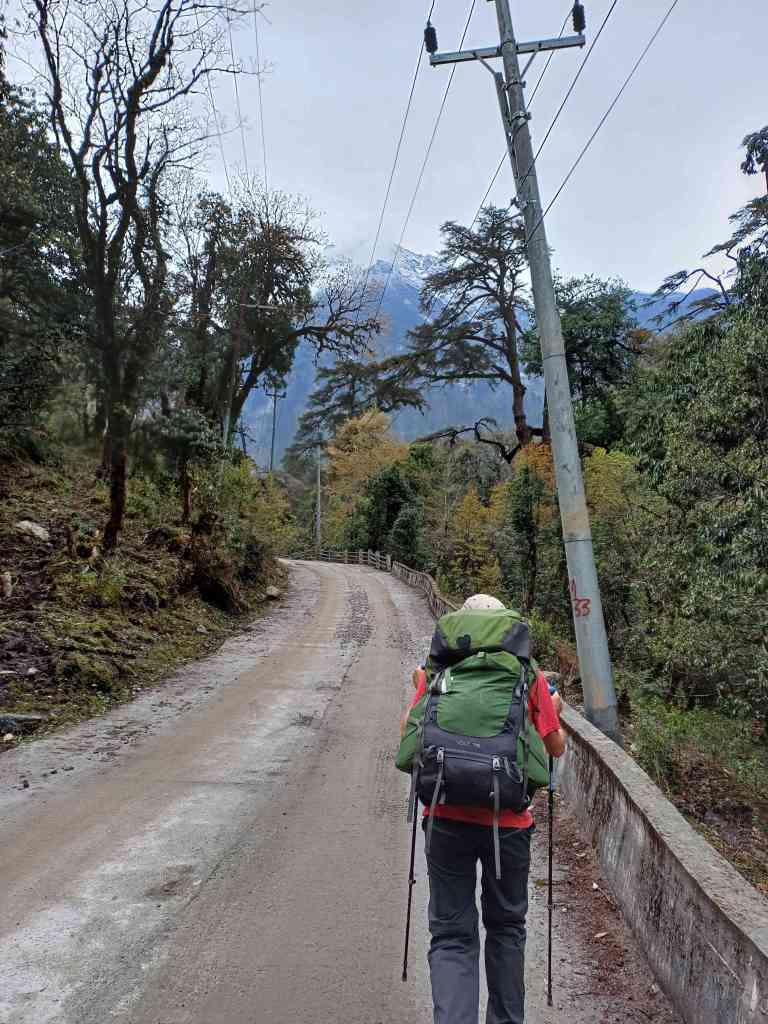
A Mildly Useful Packing List: 40 Days in India (Non-Himalayan Edition)
Luggage
- Backpack (40–70L): Pick a size based on your tolerance for inconvenience. Bigger = more room, more suffering.
- Waterproof Daypack: Holds laundry and stuff you don’t want to get wet.
- Fanny pack: Keeps essentials close. Also ensures you’ll never be mistaken for someone fashionable.
- Money belt: For valuables. Also useful as a sweat trap.
Clothes
- 1 long sleeve button-up (mosquito shield)
- 1 short sleeve button-up
- 2 t-shirts (one for wearing, one for discovering you forgot to do laundry)
- 2 shorts
- 1 pair of pants (cultural modesty)
- 2 pairs short socks
- 1 pair long socks (for buses with A/C set to “arctic exploration”)
- 3 pairs of underwear (reduce,reuse,recycle)
- Rain jacket & pants (monsoon)
- Long underwear
- Fleece Jacket
- Microfiber towel
- Low-cut hiking shoes
- Sandals
Electronics
- Laptop: If you work on the road. Or pretend to.
- Power bank: Electricity fails.
- Phone + earbuds:
- Universal adapter:
- Cables: All of them.
Hygiene
- Toothbrush
- Toothpaste
- Deodorant
You’ll smell bad eventually. That’s just science. But you can at least delay the inevitable for a day or two.
Everything else — razors, soap, a wig — can be bought after arrival.
Other Useful Things
- Passport + digital copy: One to lose.
- Backup ID: For renting scooters or proving you’re vaguely legitimate.
- Cash: One crisp $100 bill for emergencies or bribing someone.
- Cards: Two debit cards from different banks without foreign fees.
- Sleeping bag: Light one, for when “bed” turns out to be a suggestion.
- Book: For the inevitable 12-hour delay with no Wi-Fi.
- Notebook & pen: Your phone will die.
- Water bottle: Slightly reduce your plastic bottle use.

Closing Thoughts and Low Expectations
No matter how much you plan, your bag will slowly fill with things you didn’t need and lose the things you did. This is normal. You’ll adapt.
Every time you switch countries, re-evaluate your bag. Get rid of whatever you’ve been carrying out of guilt, nostalgia, or vague hope. Travel light. Emotionally and physically.
Use economic advantage if you’re going to Japan from Nepal, buy your shoes in Nepal. They’re cheaper, you’ll need the money in Tokyo.
Remember:
Packing isn’t about perfection. It’s about just enough preparedness to survive, just enough flexibility to adapt, and to keep yourself entertained when none of it goes to plan.
 Guitar Burrito