Mumbai: Big, noisy, chaotic, and delightfully inspiring. People come here to chase Bollywood dreams or just to survive. The city has slums, skyscrapers, and real estate prices that make you wonder why anyone bothers. You should visit.
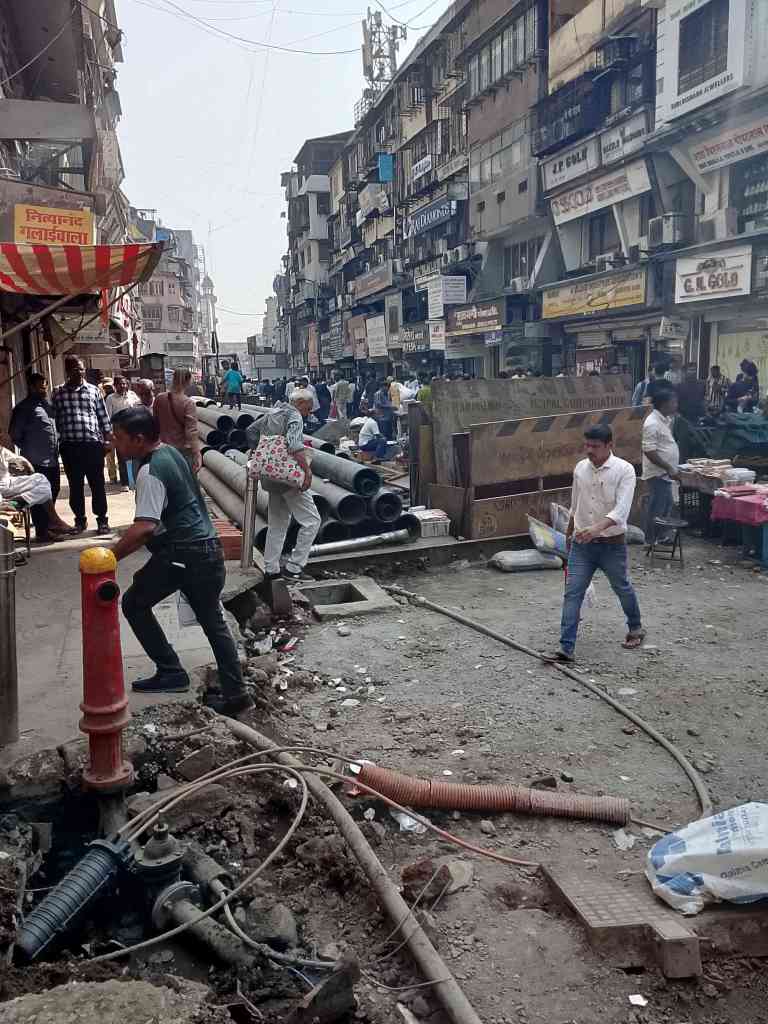
Planes, trains, buses—pick your poison. Don’t make Mumbai your first stop in India unless you enjoy sensory overload . If you do arrive first, consider leaving immediately for somewhere quieter.
Lodging:
There are places to stay. Some exist. Some don’t. Booking apps will help you find one of each. For budget options, book for two days max. Check if the place is functional. Pay on arrival if possible.
Recommended areas:
- Bandra East/West: Less touristy, locals still exist here.
- Fort/Colaba: Tourist hub, overpriced, close to landmarks. Also close to other tourists taking photos of landmarks.
Budget travelers can easily find dorm beds under 800 INR.
Food
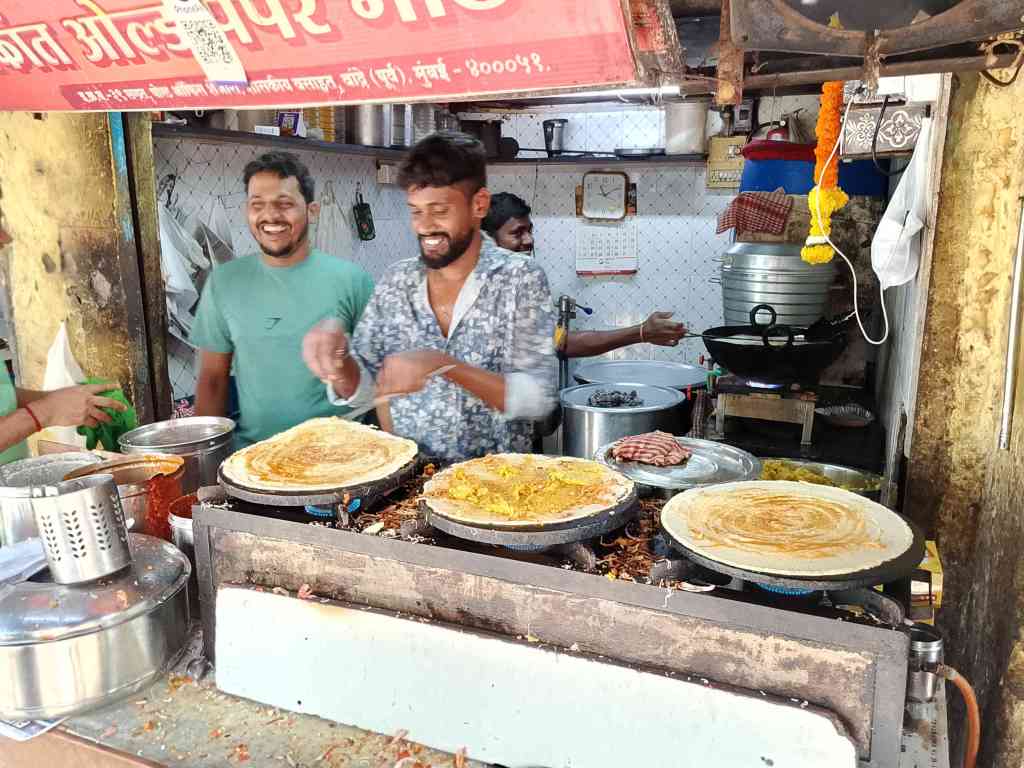
Eating in Mumbai is a sensory adventure, and the city’s street food scene is the main attraction. Cheap, vibrant, and occasionally life-affirming, street food is where locals eat, and where travelers often discover the real taste of India.
- Pani Puri – Tiny, crispy shells filled with spicy, tangy water, potatoes, and chickpeas. One bite, and you’ll experience a controlled explosion of flavor. If you can manage not to dribble on your shirt, you’re doing well. Eating it is half the thrill; figuring out how to do it gracefully is the other half.
- Vada Pav – Essentially a fried potato patty tucked inside a bun, generously slathered with chutneys. It’s India’s fast food: inexpensive, filling, and available on nearly every street corner.
- Bombay Sandwich – A stacked tower of fresh vegetables, butter, and chutney. Somehow, the combination works, and each bite tastes like it was meant to be. It’s messy, colorful, and far more interesting than your average sandwich back home.
Chai is a non-negotiable. Sweet, milky, and spiced just right. Drink it. Drink it often .Fancy restaurants exist, of course. They are cleaner, air-conditioned, and moderately expensive.
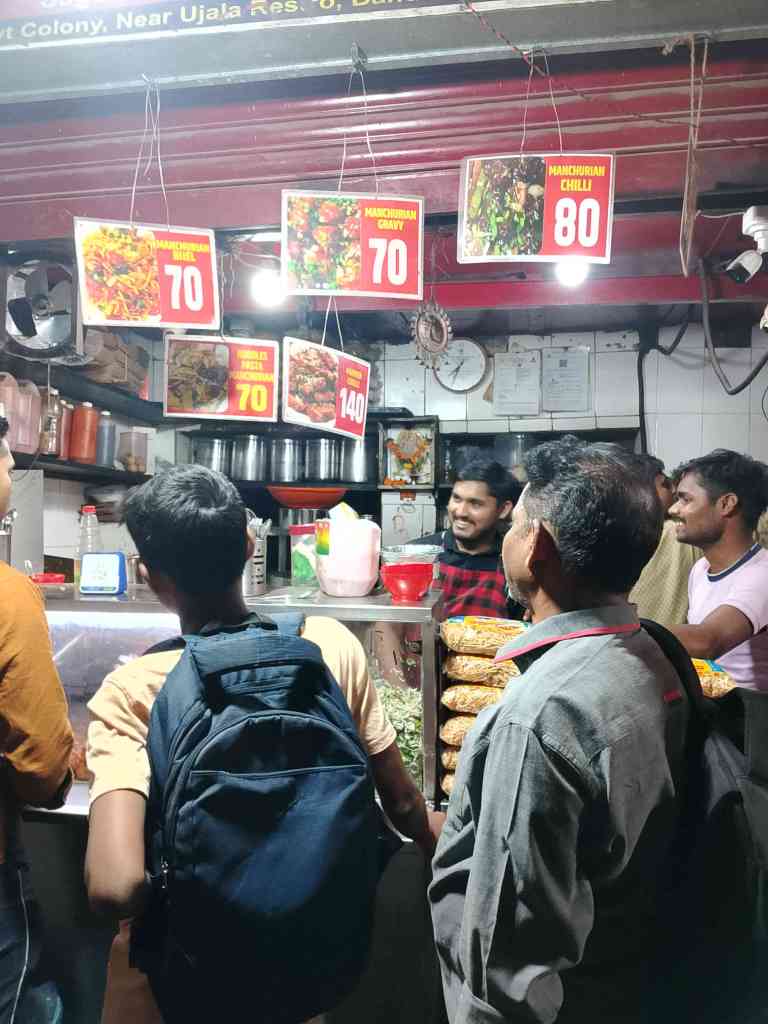
A few safety notes: always trust your instincts. Avoid anything that looks like it staged its own decomposition—unless you are adventurous, desperate, or trying to impress someone with your bravery. Otherwise, busy stalls with a constant stream of locals are generally safe bets.
Places to Go
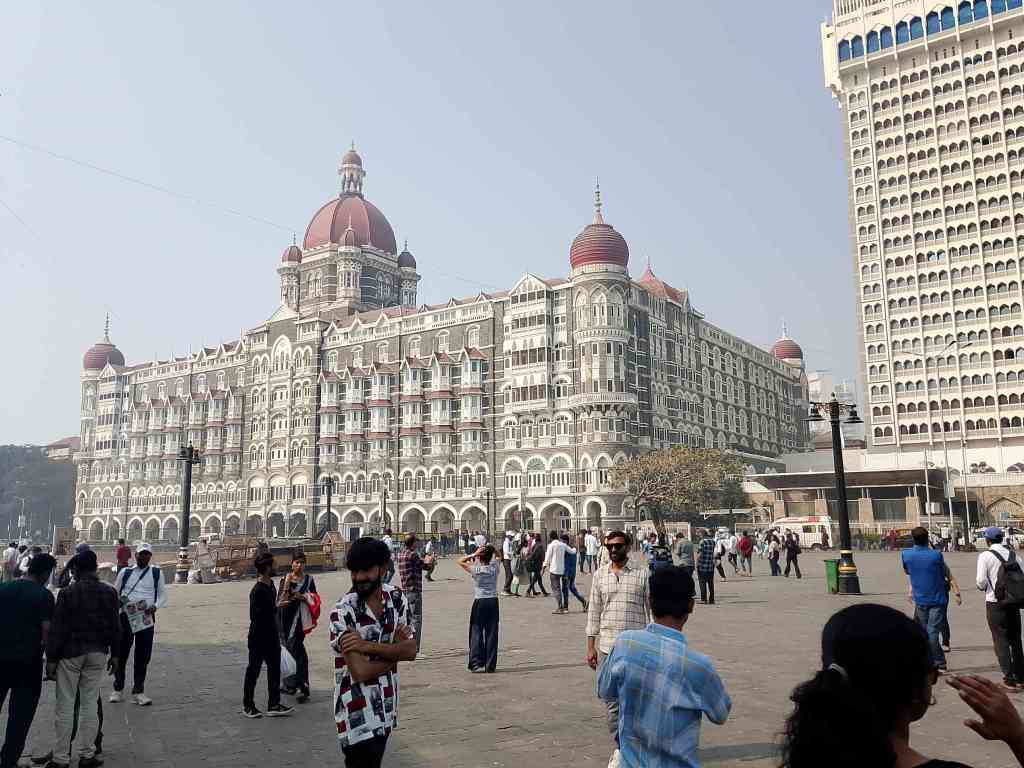
- Fort/Colaba: Gateway of India, Chor Bazaar, CSMT, Colaba Market.
- Neighborhoods: Bandra, Santa Cruz, etc. Slightly quieter. Still chaotic.
- Regal Cinema: Watch a Bollywood movie. Eat popcorn.
- Dhobi Ghat: Giant outdoor laundry. Watch people wash clothes.
- Dharavi: One of Asia’s largest slums. Be respectful.
Transport
- Taxis/Rickshaws/Motorcycles: App-based. Bargaining mandatory. Traffic unavoidable.
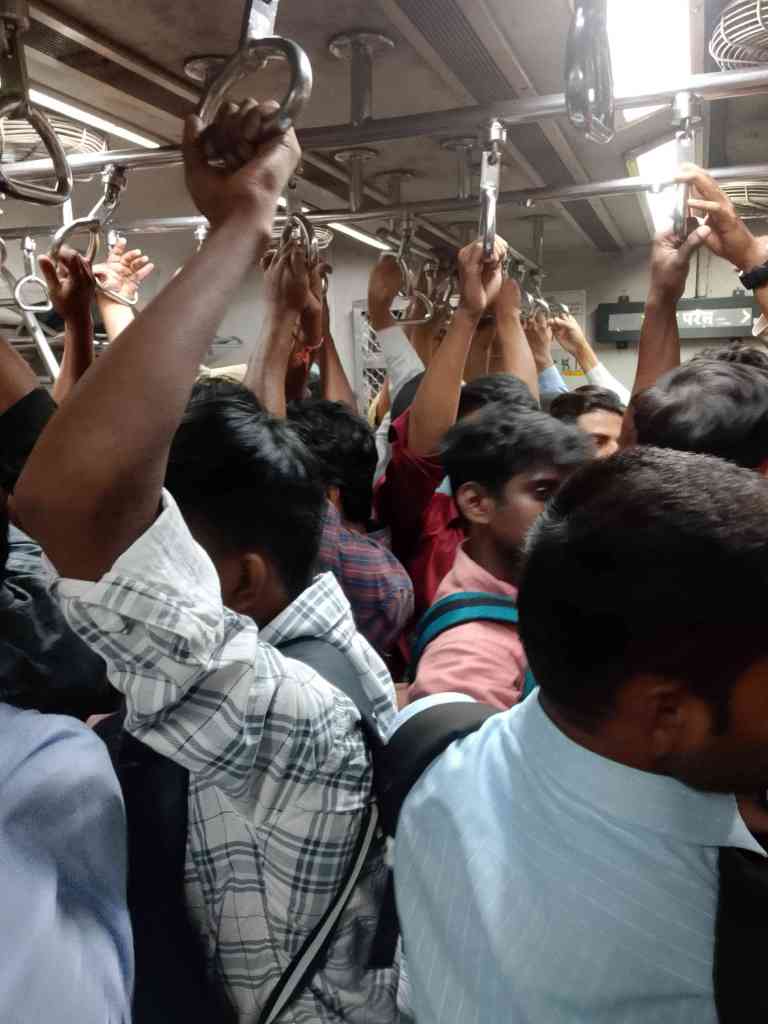
- Local Trains: Cheap, fast, full of humanity at peak hours.
- Metro: New, clean, efficient.
Notes: Mumbai will stress you out to delight. Make you question why you traveled. Accept it.
“We travel not to escape life, but for life not to escape us.” — Anonymous
 Guitar Burrito