India is a country of immense size and complexity. It cannot be explained in one blog, one trip, or even one lifetime. But I can offer a bit of advice on how to spend your time.
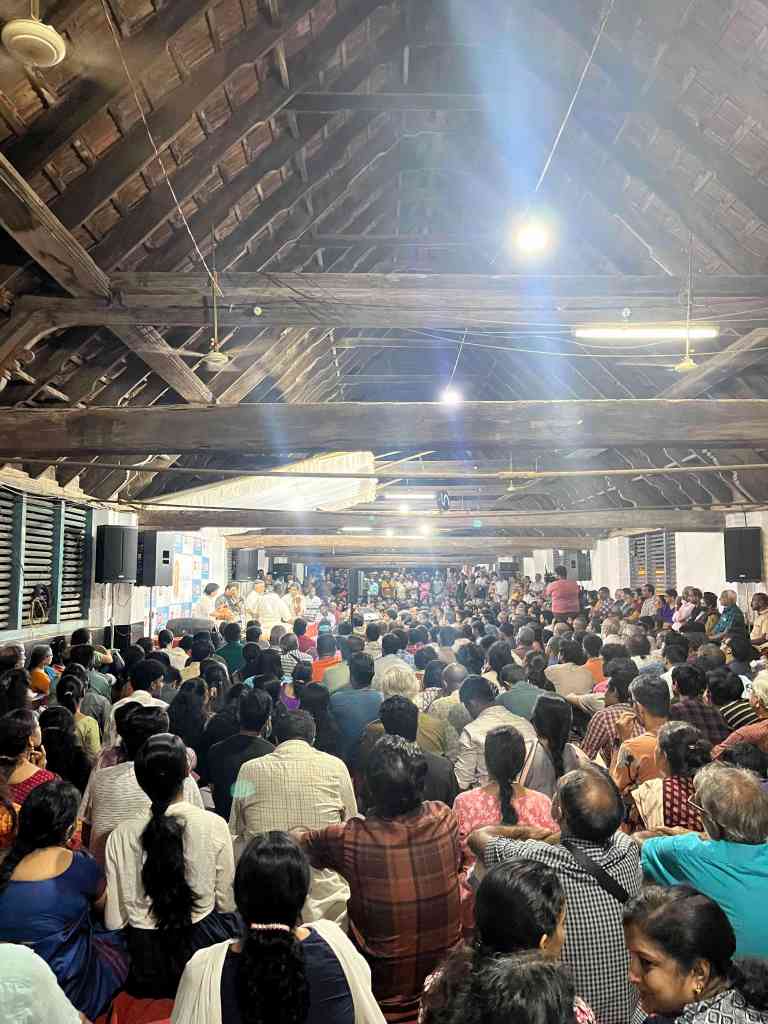
Every state has its own identity, with unique languages and traditions. Luckily, English is widely spoken.
An oversimplified way to look at it:
- North India is the India most often advertised to the world: vivid colors, hectic street life, chaotic gatherings, grand ancient structures, and of course, butter chicken.
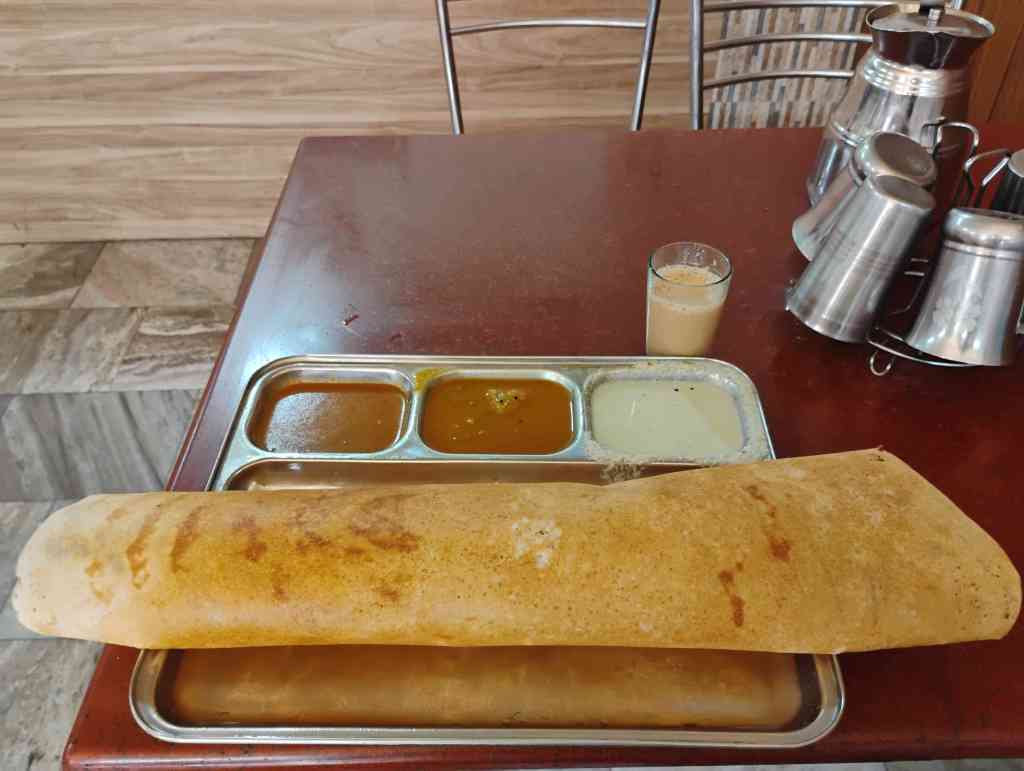
- South India is more laid back, though it still carries the delightful madness of the subcontinent. Here you’ll find beaches, less populated cities, and the glory of dosa.
- The Mountains (including the far north and northeast) offer something completely different—peaceful pace, unique cultures, and otherworldly scenery.
How Long Should You Spend?
- 2 weeks minimum for a budget traveler—just enough for highlights along the tourist trail, with maybe one or two detours.
- 2 months or more if you want to truly explore.
India does not run on Western time. Trains are late. Weather can disrupt plans. Food poisoning, festivals, and sheer unpredictability mean schedules rarely go as planned. Even the time zone is unusual—offset by a half-hour.
Take it slow. Don’t try to see everything. The real magic of India is in the everyday: listening to a guru, learning to barter, dodging cows in the road, sipping chai, and watching life flow by. India is a teacher—arrive ready to learn.
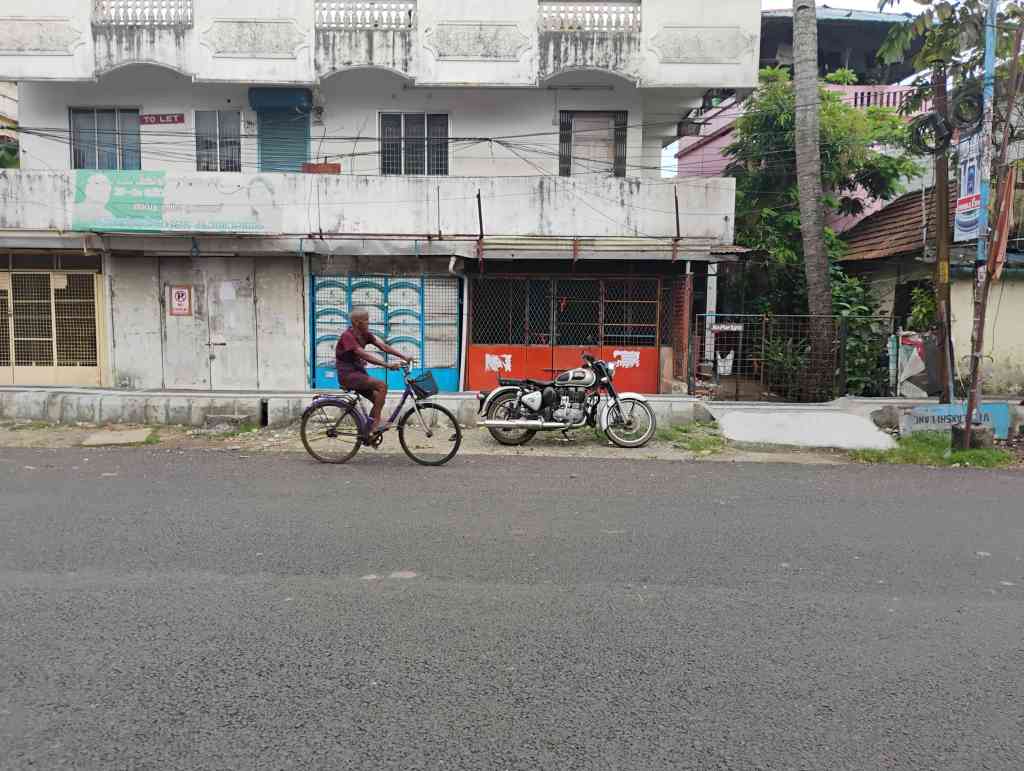
Arrival
- Most nationalities need a visa (options include 1 month, 1 year, or 5 years, each at different prices). A multiple-entry 1-year e-visa is easy to obtain online.
- First-time land entry is usually not possible due to visa restrictions, so most travelers arrive by air.
- Consider starting in the South. It’s an easier entry point, and if you find the South too overwhelming, the North may not be for you.
- Getting a SIM card can be tricky, as it requires providing a local contact. Until you meet someone willing to help, this may be difficult. An e-SIM is a smart backup.
- Ride-share apps are common, but expect to deal with the ever-present taxi cab mafia. Always have your accommodation details ready before arrival.
Health
Staying healthy in India takes effort:
- Air pollution, dust, and close contact with large crowds are daily realities.
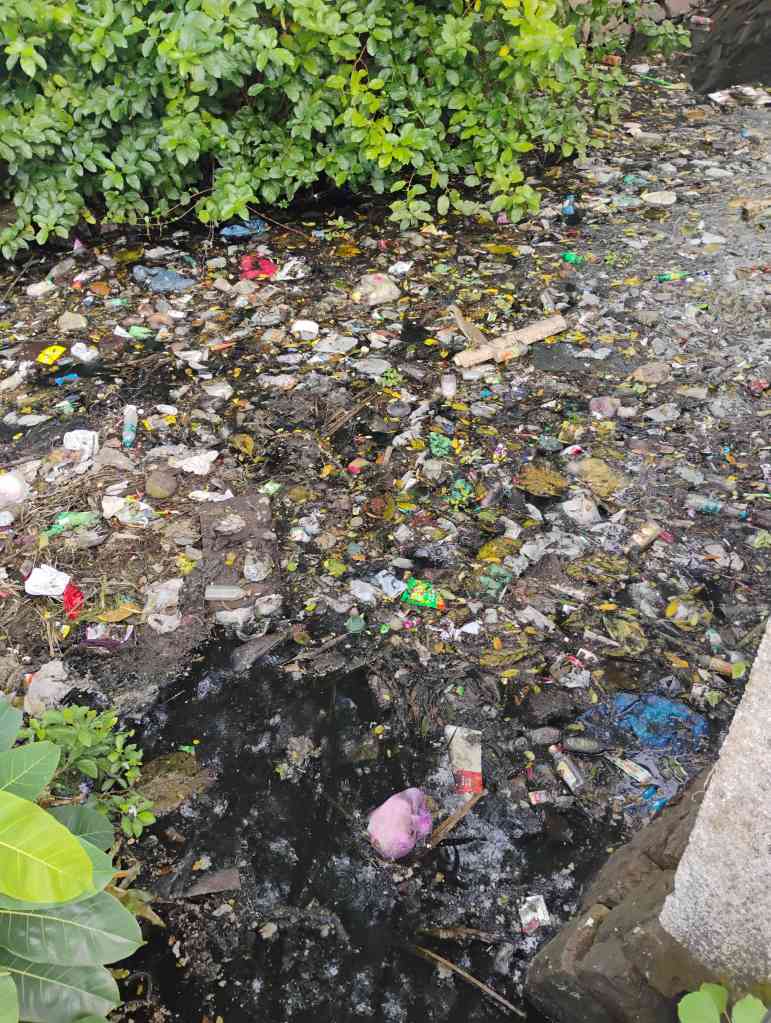
- Sanitation standards are different than in many countries.
- Food safety is the biggest challenge.
Tips:
- Eat at busy street stalls where food is cooked fresh in front of you.
- Avoid tap water and anything washed with it.
- Eating vegetarian is easy—and recommended. India has some of the world’s best veg food.
- On my last 2.5-month trip, I had only minor stomach issues following these guidelines.
Lodging
India offers everything from grim budget flophouses to world-class five-star hotels.
- The cheapest options—they’re often unsafe or unhygienic.
- Mid-range hostels and guesthouses are solid choices.
- Expect to share spaces with both international backpackers and Indian travelers, as domestic tourism and remote work culture are booming.
Budget
- Currency: Indian Rupee (INR)
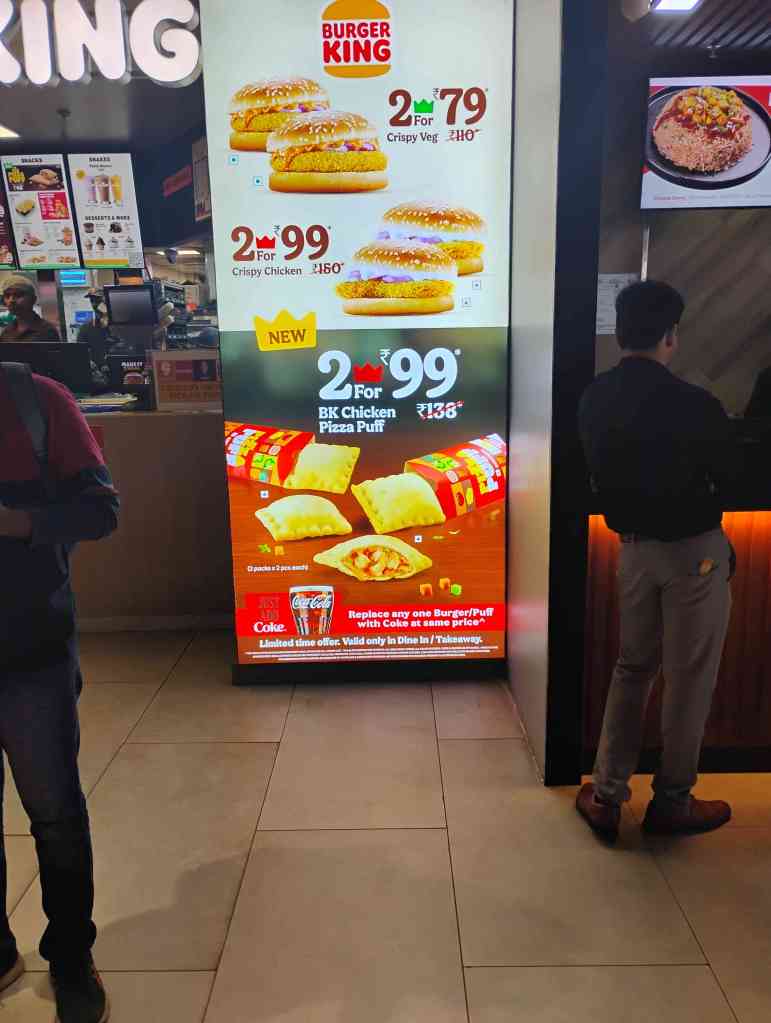
- Exchange rates are very favorable for USD, EUR, AUD, and many others.
As a budget traveler, expect to spend around 700,000(IRN) per month, covering:
- Lodging
- Transport
- Food & Chai
- General Overcharges
Tours are rarely necessary. Almost every site charges entry, so pick wisely. Scams are unavoidable—accept them as part of the experience.
Transport
Getting around India is the adventure—and the headache. The country offers just about every form of transport imaginable, some more efficient than others.
- Flying: If you’re short on time, you’ll need to fly. Domestic flights are plentiful and surprisingly cheap. Just don’t expect punctuality to be guaranteed—it’s still India.
- Buses: A budget-friendly option that connects nearly every corner of the country. Quality ranges from luxury sleeper buses with Wi-Fi to vehicles that feel like they’ve been retired twice already. Either way, they get you there—eventually.
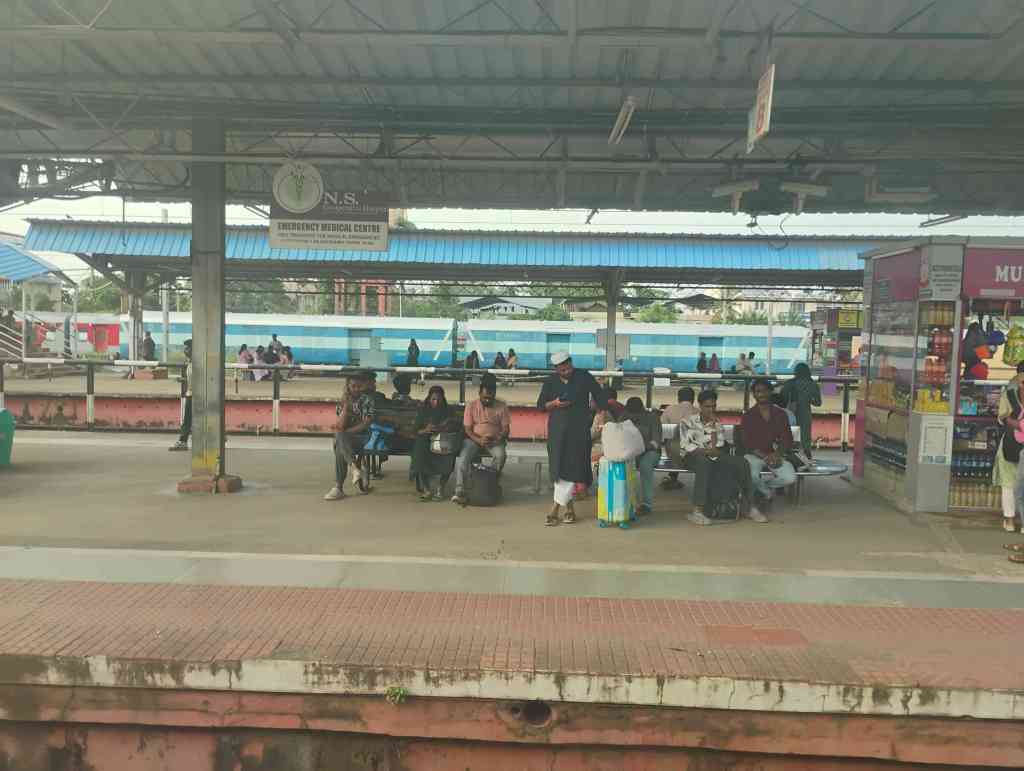
- Trains: Champion of Indian travel. Affordable, extensive, and an experience in themselves. With multiple classes to choose from—ranging from air-conditioned bunks to open seating with a goat as your neighbor—the train is as much about the journey as the destination. Tickets for long-distance routes can be hard to secure, so book in advance unless you enjoy the thrill of uncertainty.
- In Cities: Anything that moves counts as transport. Rickshaws (auto and cycle), metros in larger cities, buses, taxis, motorcycles, and even the occasional horse cart are all fair game. Bargain hard, brace yourself for traffic that appears to ignore physics, and remember that the cow always has right of way.
Weather
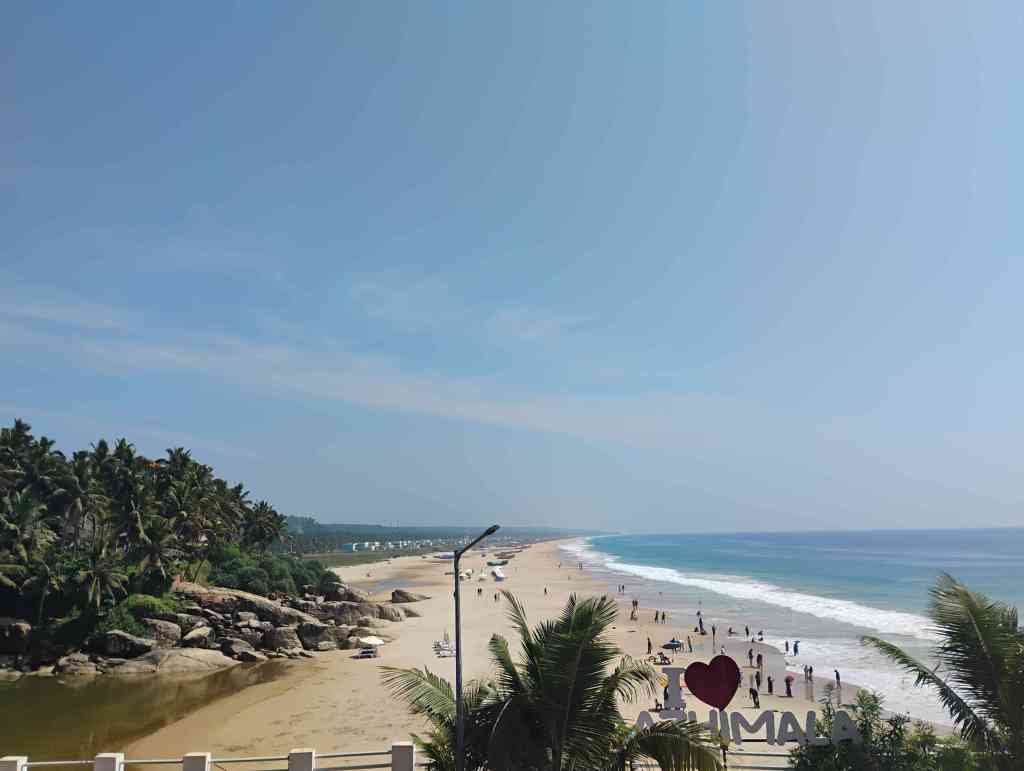
India has three main seasons: dry, hot, and monsoon.
- Most of the country is hot, except in the Himalayas and mountain regions.
- Avoid the monsoon season unless you specifically want the rain experience—it makes travel harder.

Leaving
At some point, you’ll feel ready to leave—or maybe not. India has a way of holding on to travelers, even at the risk of sanity. Popular next stops include Nepal, Sri Lanka, Pakistan, Bangladesh, or simply heading home.
In India, very little goes the way you expect, and that’s the point. The surprises are what you came for, even if you didn’t know it. If you can stop expecting things to make sense, you will enjoy yourself.
“The goal is to die with memories, not dreams.” — Unknown
 Guitar Burrito