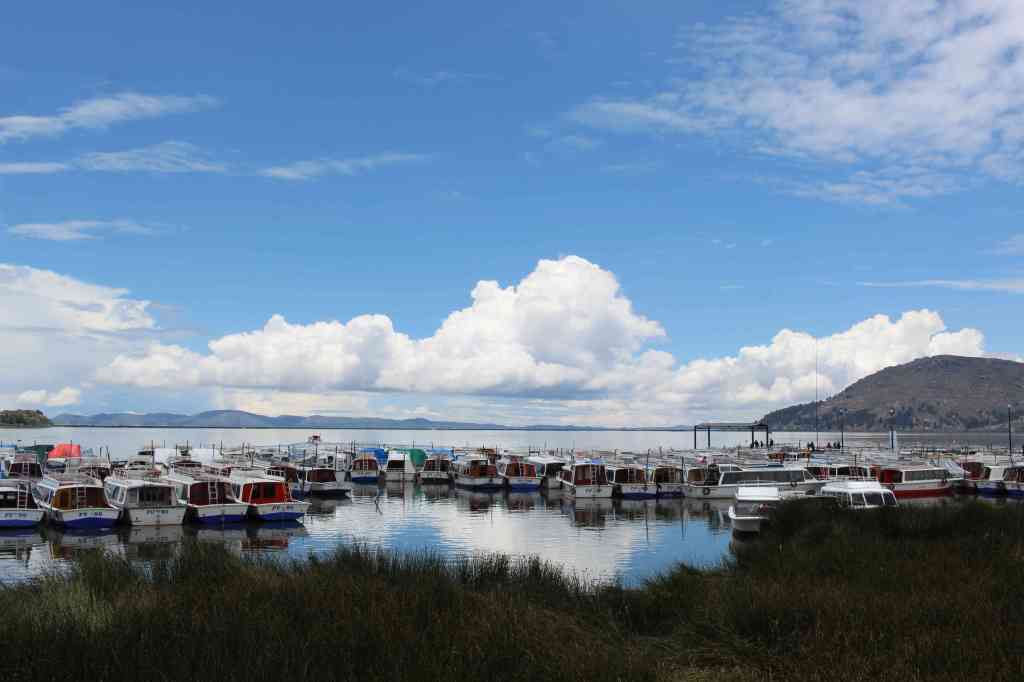
Few places on Earth offer such dramatic diversity within a single country — from the sun-kissed Pacific coastline to the soaring Andes peaks, across vast deserts, and deep into the lush Amazon rainforest.
It’s home to world-renowned landmarks like Machu Picchu, the Nazca Lines, Lake Titicaca, Colca Canyon, and the increasingly popular Rainbow Mountain. But beyond the famous sights, it’s Peru’s warmth, food, and traditions that truly captivate travelers.
Peruvian cuisine is among the best in the world, drawing on an incredible variety of fresh ingredients. The people, in most regions, are remarkably welcoming, proud of their centuries-old customs and regional cultures. Whether you’re a backpacker, foodie, or luxury explorer — Peru has something for every traveler and every budget.
Getting In and Out
Citizens of many countries can visit visa-free for up to 183 days, but always double-check your specific entry requirements before traveling.
By Air
Most international travelers arrive in Lima, Peru’s capital and main transport hub. From Lima, you can fly directly to major destinations like Cusco, Arequipa, or Iquitos.
By Road
Peru shares land borders with Bolivia, Chile, and Ecuador — all of which are relatively easy to cross. Traveling to Brazil by road is possible but quite an adventure, while entry to Colombia by land is currently not possible.
By Boat
If you’re feeling adventurous, you can cross into Brazil, Colombia, or Ecuador by riverboat through the Amazon. These trips are slow, multi-leg journeys — ideal for those seeking a true expedition-style experience.
Getting Around
Between Cities
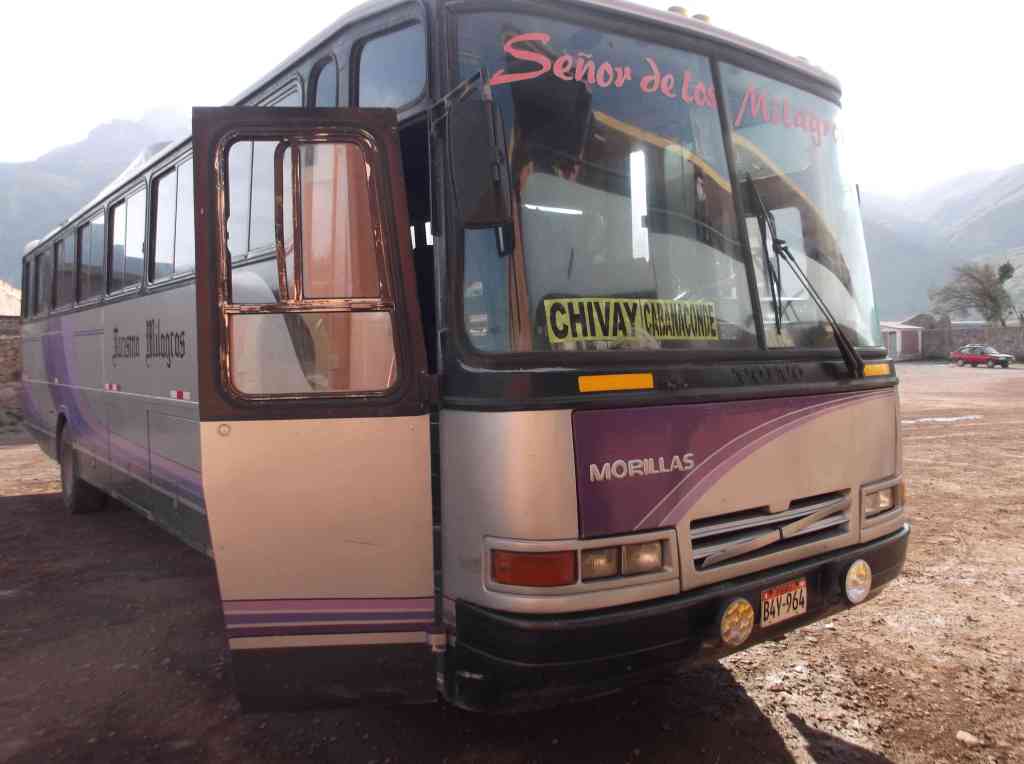
Peru’s intercity bus network is extensive and budget-friendly. Comfort levels vary — the cheapest options are often unreliable and not comfortable. Reputable companies like Cruz del Sur offer safer, smoother rides.
For faster travel, domestic flights connect most major destinations and are often surprisingly affordable.
For something unique, consider riverboat travel, particularly to or from Iquitos — the world’s largest city without road access. These slow-moving boats are inexpensive but basic; bring your own hammock and patience.
Train routes are limited but scenic and tourist oriented.
Within Cities
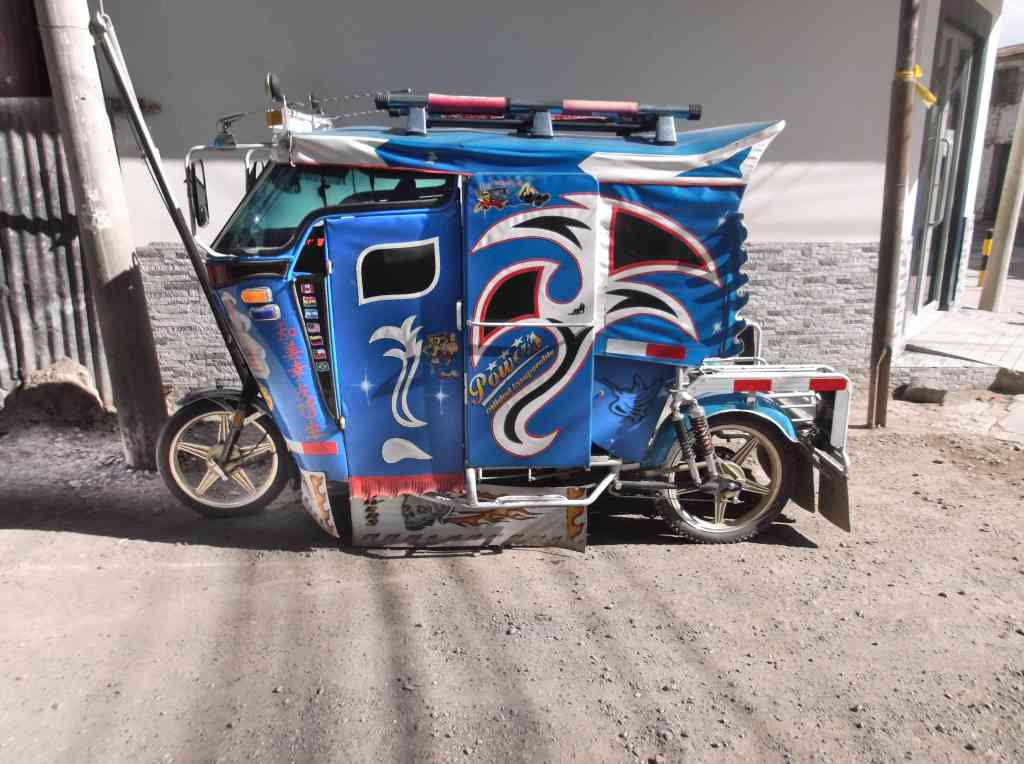
Local transport options include moto-taxis, tuk-tuks, buses, microbuses, ride-share apps, and traditional taxis. Prices vary depending on comfort and convenience.
How Long to Stay
While some travelers rush through Peru in five days on whirlwind tours, the real magic comes with time.
A minimum of one month is recommended to appreciate multiple regions, and travel by bus, boat, or occasional short flight. If you can, take advantage of the full 183-day stay — the slower pace of life and endless sites make it easy to linger.
I’ve spent over 3 months there across different trips — and haven’t seen enough.
Places to Go
Here are a few essential stops to include in your Peruvian itinerary:
- Lima – The bustling capital with a world-class food scene and coastal views.
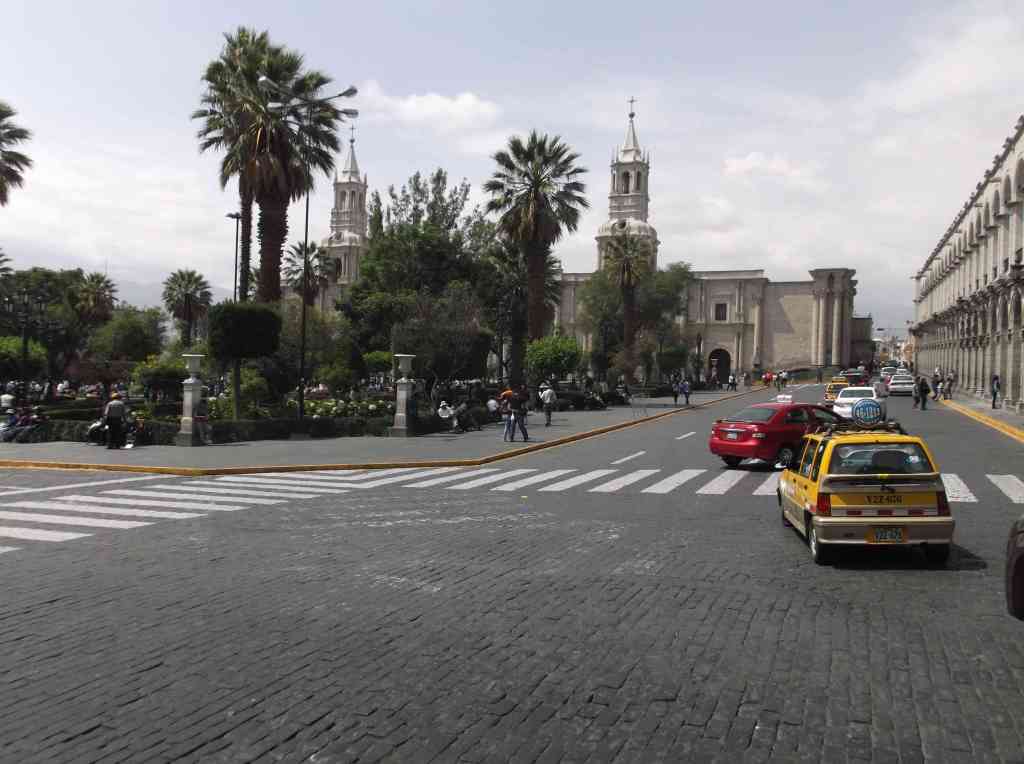
- Arequipa – Known as the “White City,” surrounded by volcanoes.
- Cusco –Tourist epicenter for Machu Picchu and the Sacred Valley.
- Puno – Home to Lake Titicaca.
- Iquitos – A remote jungle city accessible only by air or river.
- Huacachina – A desert oasis .
- Huaraz – A paradise for trekkers.
- Máncora – A relaxed beach town.
- Tarapoto – Gateway to jungle adventures.
Food
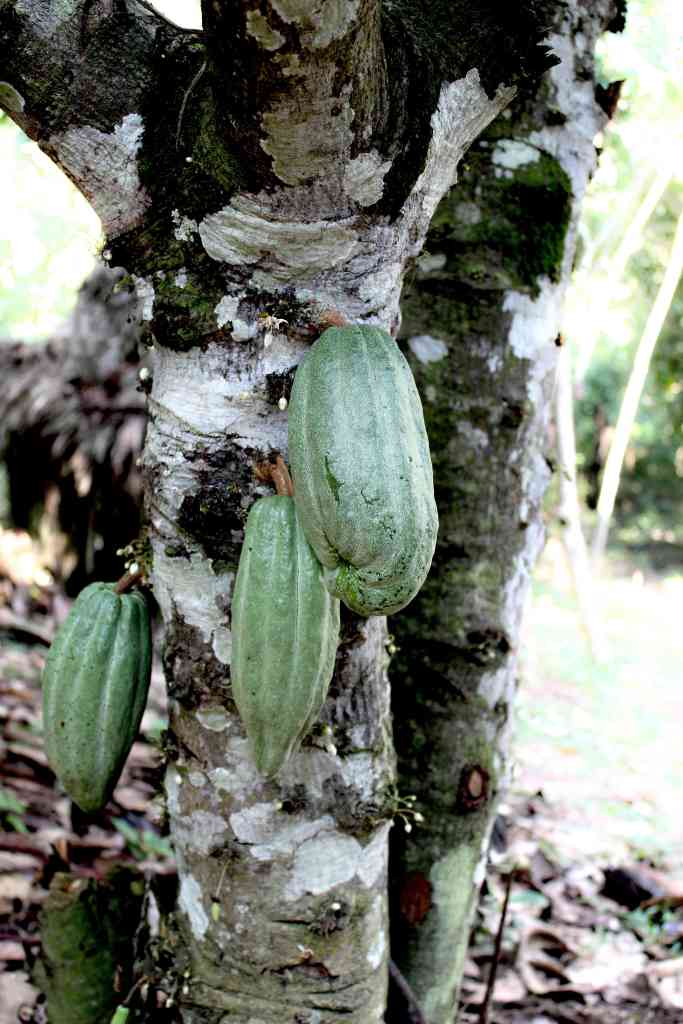
Peruvian cuisine is top notch. You’ll find national dishes everywhere, try to taste each where it’s most authentic.
For example, ceviche is a coastal specialty, but inland versions made with freshwater fish can be surprisingly delicious. Don’t miss these favorites:
- Pollo a la Brasa – Roasted chicken (best in Puno).
- Aji de Gallina – Creamy chicken stew with yellow chili.
- Rocoto Relleno – Stuffed spicy peppers, an Arequipa classic.
- Papa a la Huancaína – Potatoes in a creamy cheese sauce.
- Lomo Saltado – Stir-fried beef with soy sauce and fries.
- Chaufa – Peruvian-style fried rice with Chinese influence.
- Anticuchos – Grilled meat skewers found at night markets.
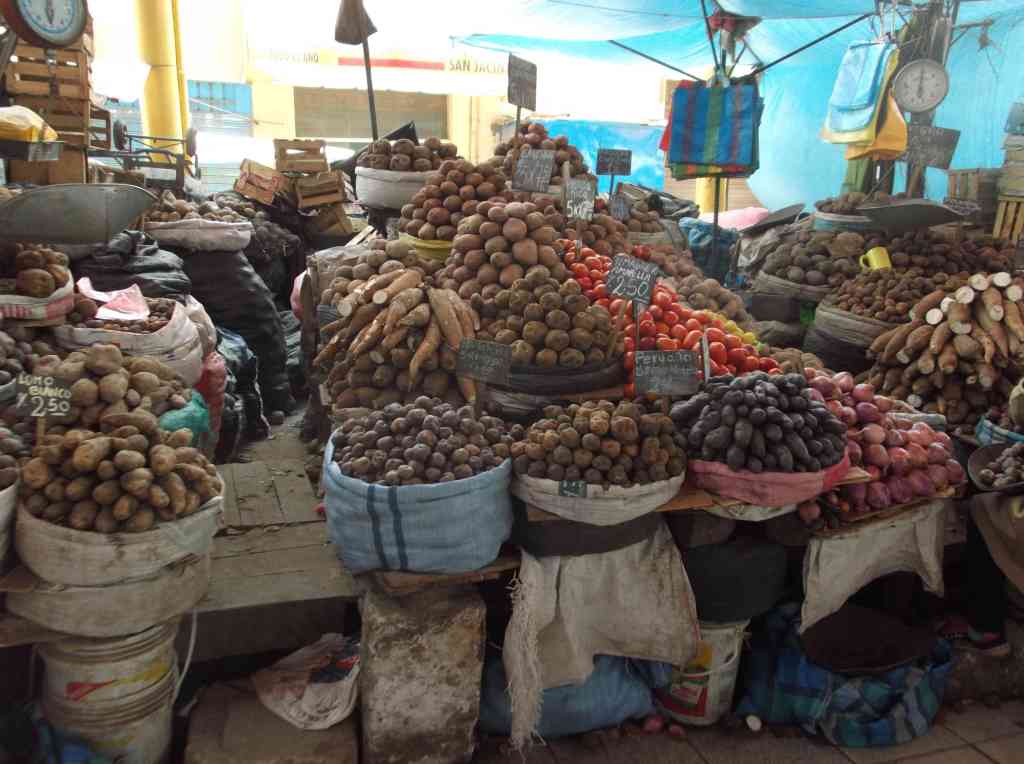
Be sure to wander local markets to experience the vast amount of unique fruits and vegetables. For example, over 4000 varieties of potatoes are grown here.
The Price You Pay
As of this writing, 1 USD ≈ 3.4 Peruvian Soles.
- Budget travelers: Expect to spend around $20–35 USD/day, depending on transport and comfort level.
- Mid-range travelers: Around $70/day for nicer hotels, tours, and dining.
- Luxury travelers: Affordable compared to the U.S. or Europe more expensive than much of Asia.
Final Thoughts
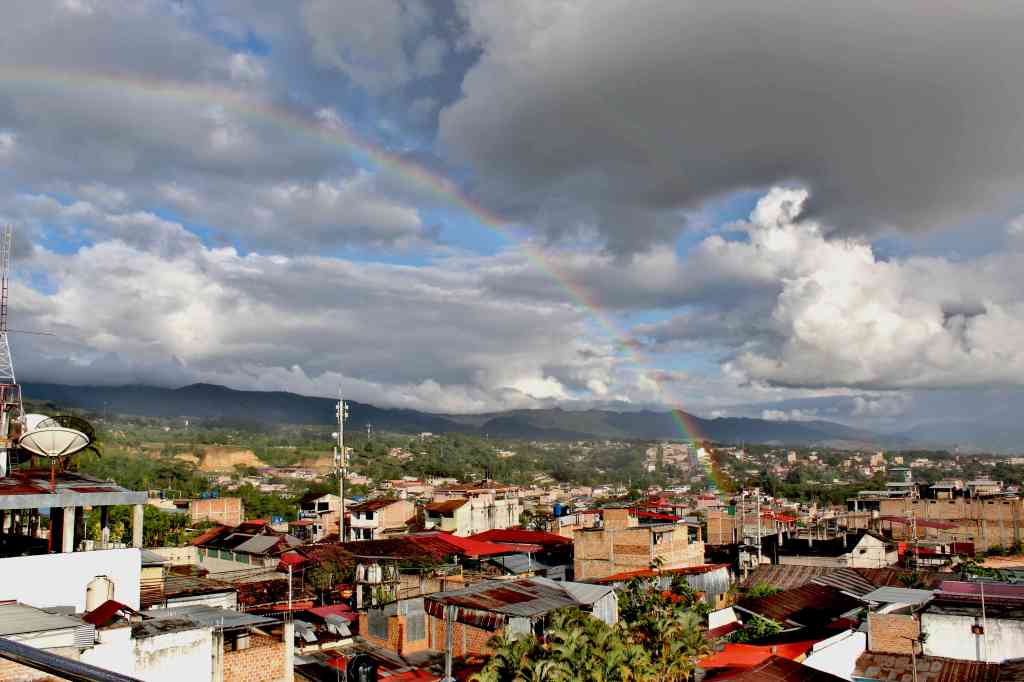
Peru is a country that rewards curiosity and patience. From the high peaks of the Andes to the mysteries of the Amazon, it’s a place that invites exploration at your own pace. Go slow, stay longer.
“Sometimes you find yourself in the middle of nowhere, and sometimes in the middle of nowhere, you find yourself.” — Unknown
 Guitar Burrito