
One of the most common questions I get is: “How did you manage to save enough money to travel long-term while working low-paying jobs?”
It’s absolutely possible. I’ve done it multiple times — working as a delivery driver, grocery store clerk, and even in warehouses. The key isn’t having a high-paying job; it’s being organized with your budget and making a few small sacrifices in your day-to-day life.
I always figured that skipping a few nights out at the bar or dinners with friends was a small price to pay for the freedom of spending six months on the road, doing exactly what I wanted, with no restrictions.
If that sounds like something you want to make happen, here are some guidelines to help you get there:
How Long Is This Trip?
In my experience, the best trip lengths are either around one month or six months (or more).
- One month: This is likely the longest you can go without quitting your job or moving out of your apartment.
- Four months or more: If you do quit your job, give up your apartment, and handle all the logistics, make it worth the effort. A two-month trip might not justify all that hassle, and maintaining your life back home can become your biggest unnecessary expense.
Know Your Timeline
First, ask yourself:
- How many weeks will I spend without income?
- When do I plan to leave?
- Where do I want to go?
Your destination matters because some countries are far cheaper than others. For example, you can comfortably live in Sri Lanka for around $600 a month, but doing the same in France would be nearly impossible.
Do the Math
Let’s break it down:
If I plan to travel to India, I know I can live comfortably on around $25 a day. That includes dorm beds, public transport, cheap restaurants, and no fancy extras. So one month = $750. But I’d aim to save $1,000 to cover unexpected expenses (scams, minor emergencies, or spontaneous adventures).
Apply this method to your destination. Once you have a daily budget, multiply it by the number of days, then add 20–25% for a safety net.
Live Below Your Means at Home
While saving, make minimalism your lifestyle:
- Share housing with roommates.
- Cook all your meals at home.
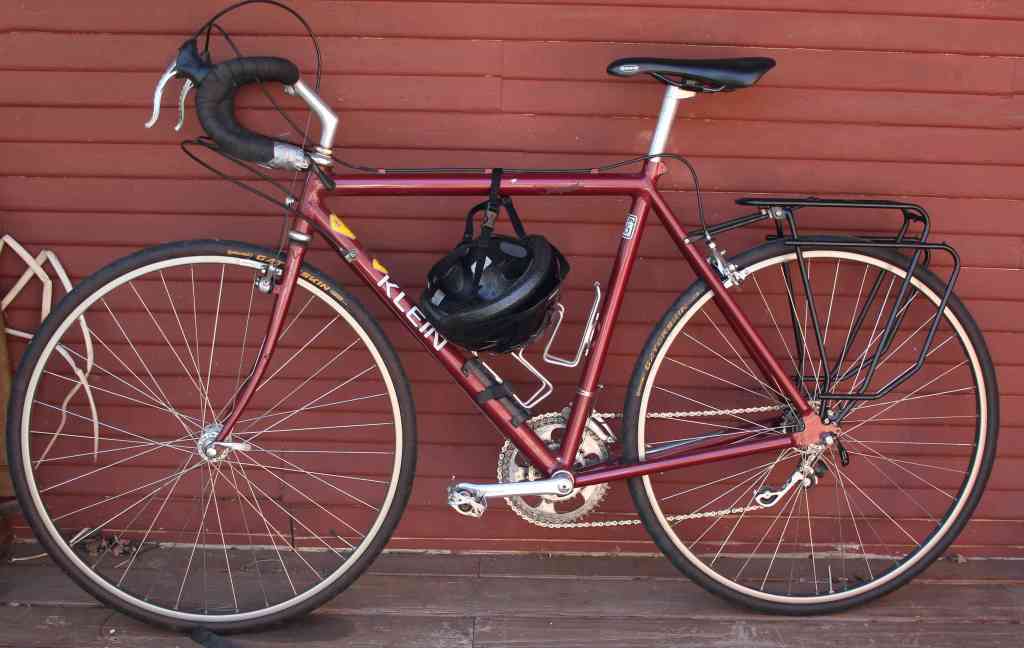
- Use public transport or bike everywhere.
- Skip unnecessary purchases.
- Choose cheap or free activities: hiking, camping, swimming, or exploring your local area.

Be Honest About Your Comfort Zone
Are you okay with budget hostels, camping, or eating street food? Would you be willing to take public transportation everywhere and skip fancy tours? The more flexible and minimal you are, the further your money will go.
Set Clear Savings Goals
Let’s say you want to travel for six months in a region where $1,000 a month is realistic. That’s $6,000 you need to save.
Here’s an example from my own experience:
- I was making about $2,000 a month.
- Rent (with utilities): $900
- Food: $250
- Entertainment/subscriptions: $50
- Miscellaneous: $150
- Total monthly expenses: $1,350
This left me with about $650 in potential savings each month. But to reduce stress, I set my goal at saving $500 a month and considered anything more a bonus. Over 12 months, that added up to $6,000.
Create a Travel-Only Fund
Once you start saving, separate that money completely. Whether it’s a dedicated savings account or a literal pile of cash in a safe, do not touch it. This is not for emergencies, not for shopping, not for weekend trips — this is your freedom fund.
Re-frame Every Dollar You Spend
Every unnecessary dollar you spend at home is one less dollar for adventures abroad.
- That $4 box of cereal? That’s a night in a hostel in Vietnam.
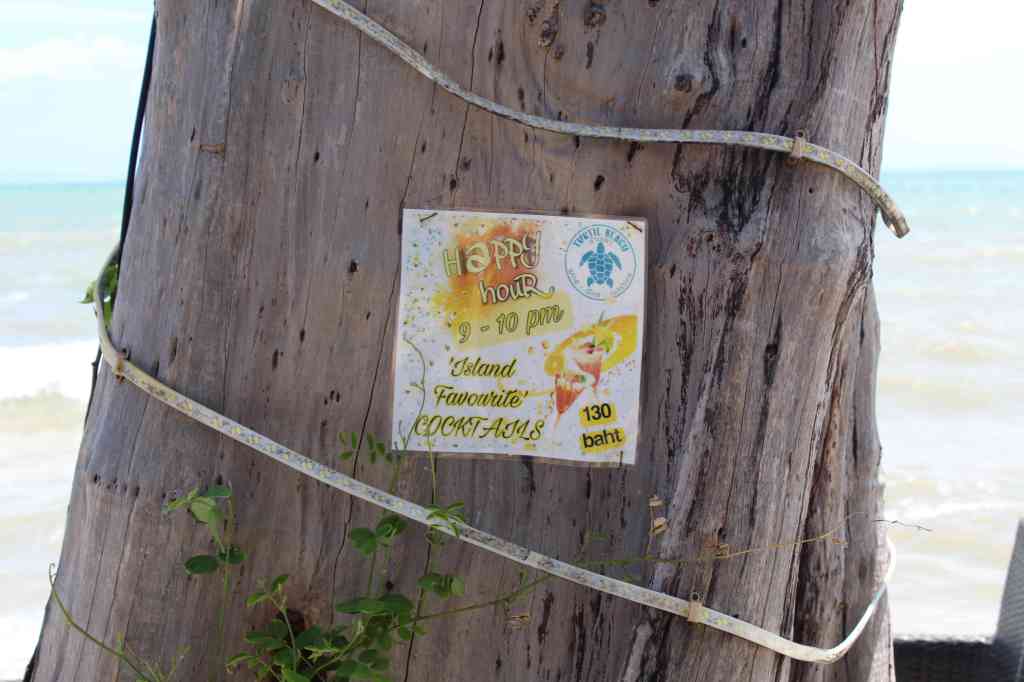
- A $20 dinner out? That’s several meals in Thailand.
Keep this mindset, and you’ll find it easier to resist temptations.
Get Creative If You Fall Short
If you can’t hit your monthly savings goal, don’t panic — get creative:
- Pick up a side hustle.
- Sell old clothes, video games, unused gadgets, or music gear.
- Cut back even more where possible.
And remember, if you fall short, you can always adjust your trip length or destination. You can even earn money while traveling through short-term gigs, teaching English, or freelancing.

The Sacrifice is Worth It
When you’re finally on the road, free to choose your adventure every single day, you won’t be thinking about those Friday nights you skipped at the bar. You’ll be grateful you made those small sacrifices for something way more rewarding.

Bottom line: Saving for long-term travel on a low-paying job is absolutely doable. Be organized, stay disciplined, and keep your eye on the prize. The freedom and adventure waiting for you are worth every penny saved.
“Once the travel bug bites there is no known antidote.” — Michael Palin
 Guitar Burrito