Why Visit Sri Lanka?
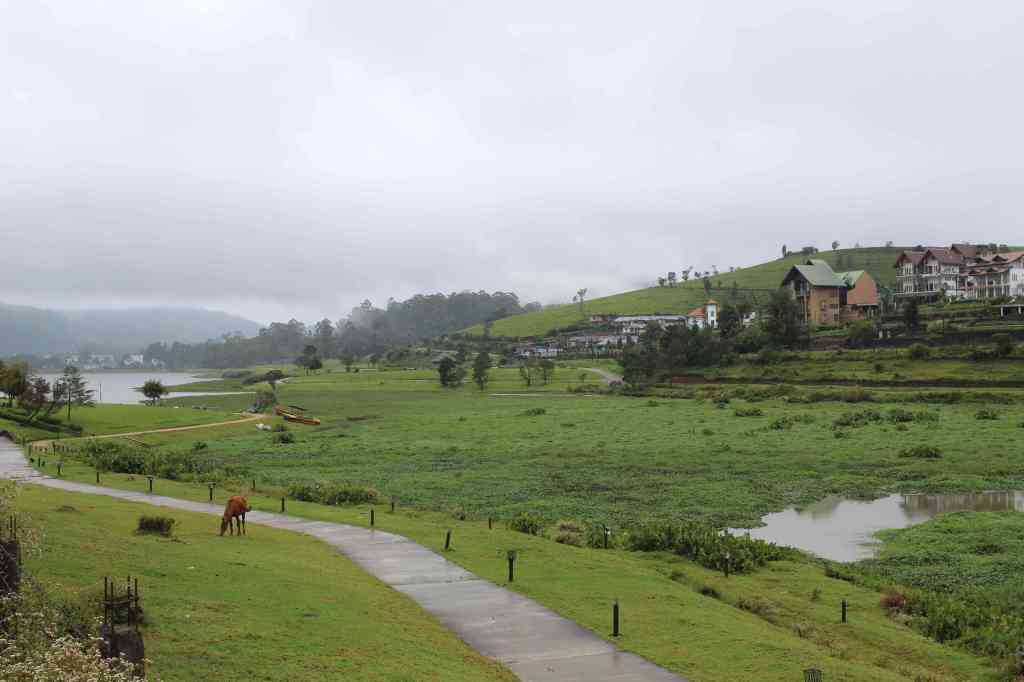
Fall in love with this small island nation south of India. Sri Lanka offers a little something for everyone—whether you’re drawn to palm-fringed beach towns with endless water activities (surfing, diving, whale watching, or simply soaking up the coast) or the lush interior filled with scenic mountains, jungles, and world-famous tea plantations.
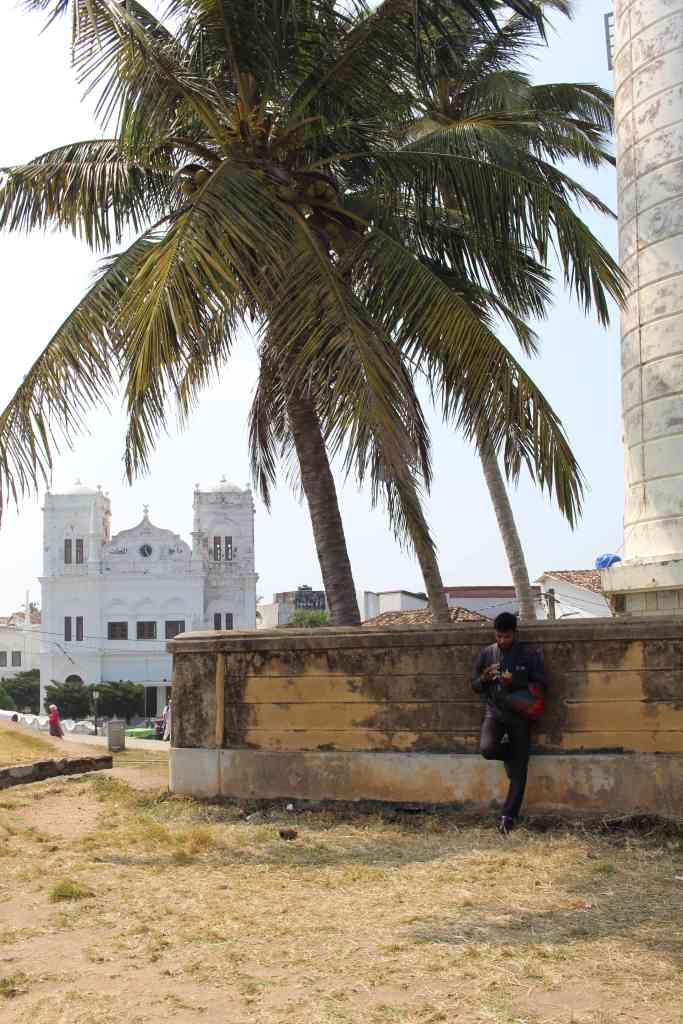
Despite its growing popularity, Sri Lanka doesn’t feel overrun with tourists. It’s easy to step off the beaten path or dive into more vibrant tourist hubs depending on your mood. The island is compact enough that getting around is straightforward, less time in transit and more time enjoying your trip.
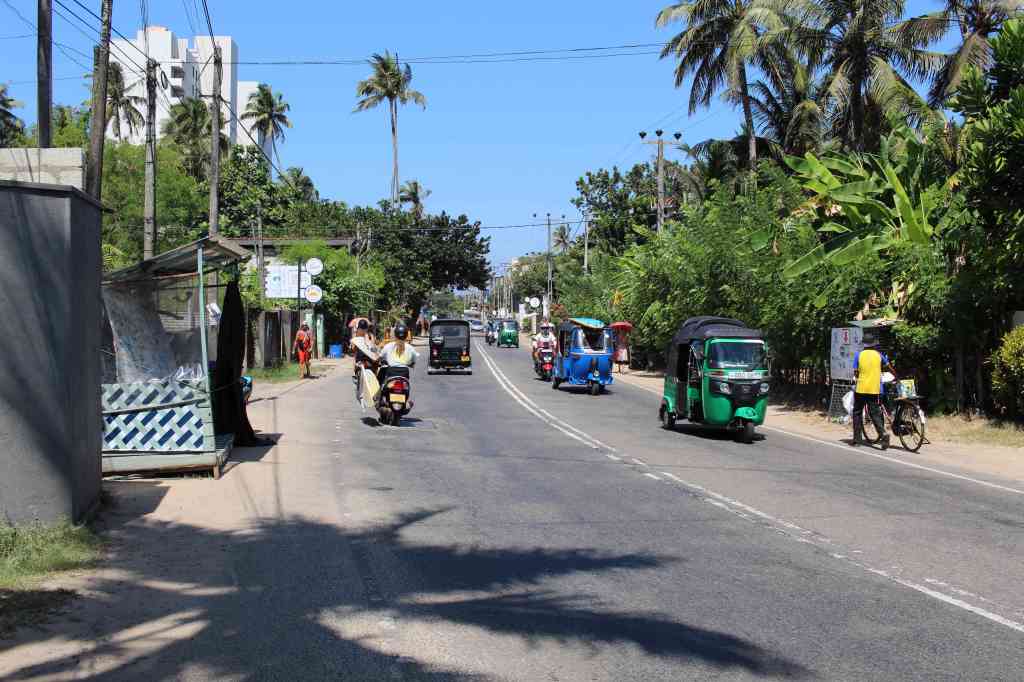
How Long to Stay?
A one-month stay is ideal—and conveniently, that’s the most common visa length. If you’re hooked on catching waves or simply want more time, extensions are possible. Of course, even a short trip is worthwhile, especially if you’re coming from a nearby country. The biggest hurdle for many travelers is simply the distance to get there.
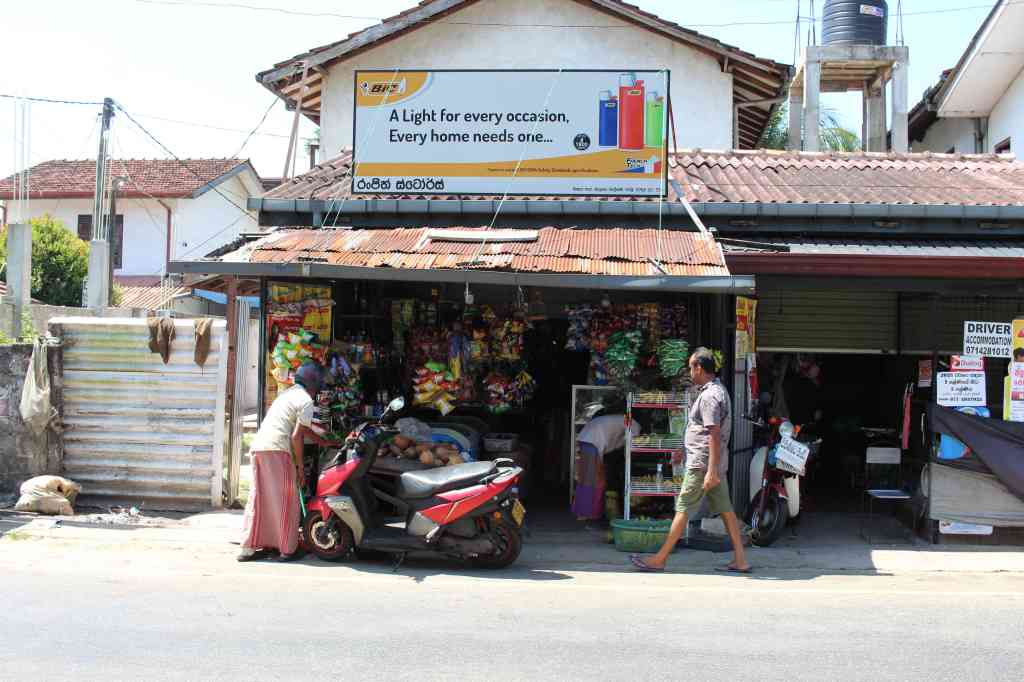
When to Visit?
For the sunniest weather overall, December to March is the prime window. That said, Sri Lanka is a year-round destination—you just need to pay attention to the monsoon patterns. If you’re set on a particular region, make sure to time your trip accordingly. For flexible travelers, the shoulder seasons often bring great deals and fewer crowds.
The Price You Pay
Your largest expense will likely be the flight to and from the island. To cut costs, consider flying via Bangkok and adding a Thailand stopover.
Once on the ground, Sri Lanka is very budget-friendly:
1 USD= 300LKR at time of writing
- Accommodation: Dorm beds and even private rooms often cost under 3,000 LKR
- Food: Delicious vegetarian meals start around 600LKR
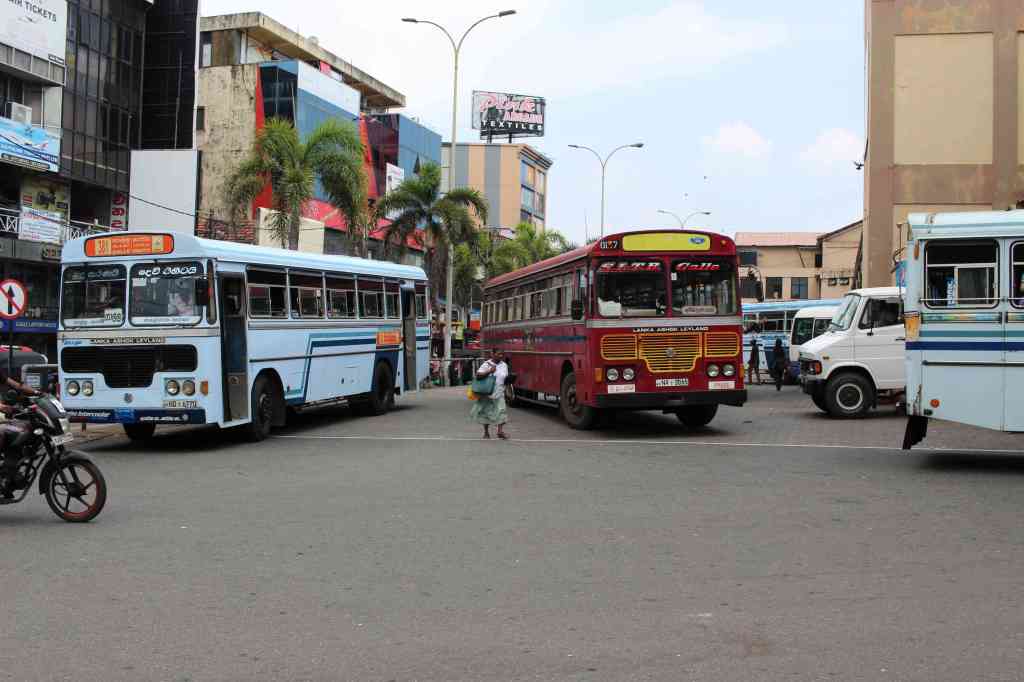
- Transport: Buses and trains are cheap and reliable.
- Activities: Renting a surfboard for an hour costs about 1,000 LKR
Luxury options do exist—upscale hotels, private drivers, or organized tours—but even a backpacker’s budget stretches far here.
Getting There and Away
Most visitors arrive by air into Bandaranaike International Airport (Colombo). The airport sits about an hour north of Colombo, with buses and taxis connecting you to the capital or to nearby Negombo, a quieter beach town that some travelers prefer.
There is also a ferry route between Kankesanthurai (Jaffna, Sri Lanka) and Nagapattinam (Tamil Nadu, India), though it’s not the most cost-effective or straightforward option. Flights out of Sri Lanka tend to be pricier than flights in.
Where to Go
Sri Lanka can be loosely divided into regions:
- Colombo (West Coast): A natural entry/exit point with a taste of city life.
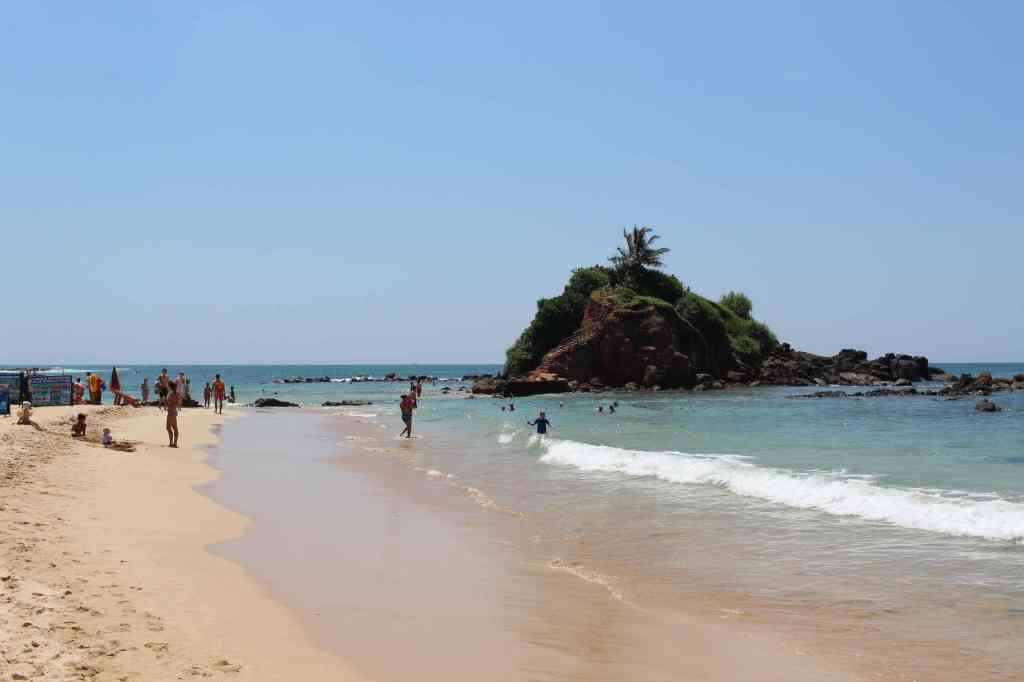
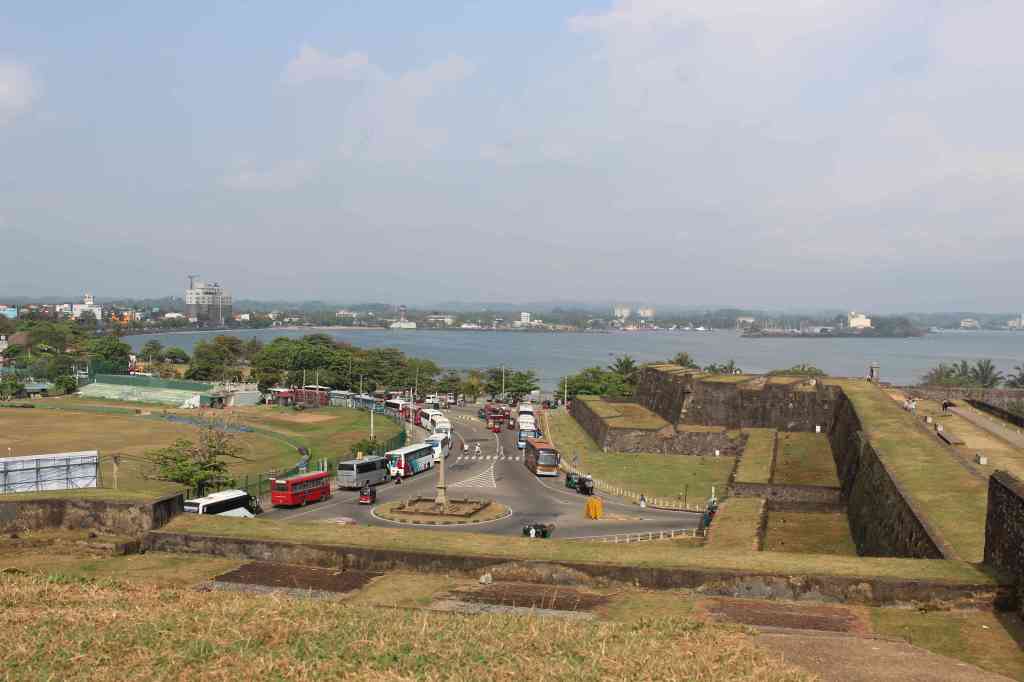
- South Coast: Idyllic beaches and charming towns like Dickwella, Weligama, Unawatuna, Mirissa, and Hikkaduwa. This is the hub for most beach-loving travelers.
- East Coast: Less crowded, with excellent surf. It shines during the months when the south is hit by monsoons.
- Central Highlands: Tea country, national parks, and cultural gems like Kandy, Nuwara Eliya, and Adam’s Peak.
- North: Once inaccessible during the civil war, this region (with Jaffna as its hub) is now open for exploration—though I didn’t make it there this time.
Food and Drink
Before arriving, I expected the cuisine to mirror South India with dosa and idli. Instead, Sri Lanka surprised me with its own unique flavors.
Vegetarians will be spoiled for choice, thanks to an abundance of fresh tropical fruits, vegetables, and local dishes. Fish is common, while meat tends to be less central and pricier. Must-try dishes include:
- Kottu Roti (a chopped roti stir-fry)
- Tea (a popular beverage worldwide)
- String Hoppers (steamed rice noodle nests)
- Pol Sambola (coconut relish)
- Gotukola Sambol (a refreshing green salad)
- An endless variety of curries

Final Thoughts
Sri Lanka is a must-visit destination—beautiful, affordable, and accessible for all types of travelers, from backpackers to luxury seekers. It’s already popular, and I suspect many of its charming beach towns will see rapid development in the next decade.

“Better to see something once than hear about it a thousand times.” — Asian Proverb
 Guitar Burrito